

Key Takeaways
Why Everyday Habits Matter for Anxiety
Anxiety rarely arrives out of nowhere. For many people, it builds gradually - sustained and amplified by ordinary daily behaviors that seem harmless or even sensible in the moment. The challenge is that these habits often provide short-term relief while quietly reinforcing the anxiety cycle over the long term.
Understanding which habits work against your mental wellbeing is the first step toward changing them. This isn't about blame or shame - most of these patterns are extremely common, and they develop for understandable reasons. Recognizing them is what creates room for healthier alternatives. For broader context on building a stronger emotional foundation, see our guide to daily practices for emotional resilience.
When to Seek Professional Support
If anxiety is interfering with your work, relationships, or daily functioning - or if you're experiencing panic attacks, persistent physical symptoms, or thoughts of self-harm - please reach out to a qualified mental health professional. The habits discussed in this article are general wellness information, not a substitute for clinical evaluation or treatment. Effective, evidence-based therapies for anxiety are widely available.
Common Habits That Sustain Anxiety
The behaviors below are among the most frequently overlooked contributors to ongoing anxiety. Each one feels justified - until you understand the mechanism behind it.
Avoiding situations, conversations, or places that trigger anxious feelings.
Why it happens: Avoidance works immediately - it removes discomfort in the moment, which makes it highly reinforcing. Over time, the brain learns that the avoided situation is genuinely dangerous, making the anxiety stronger.
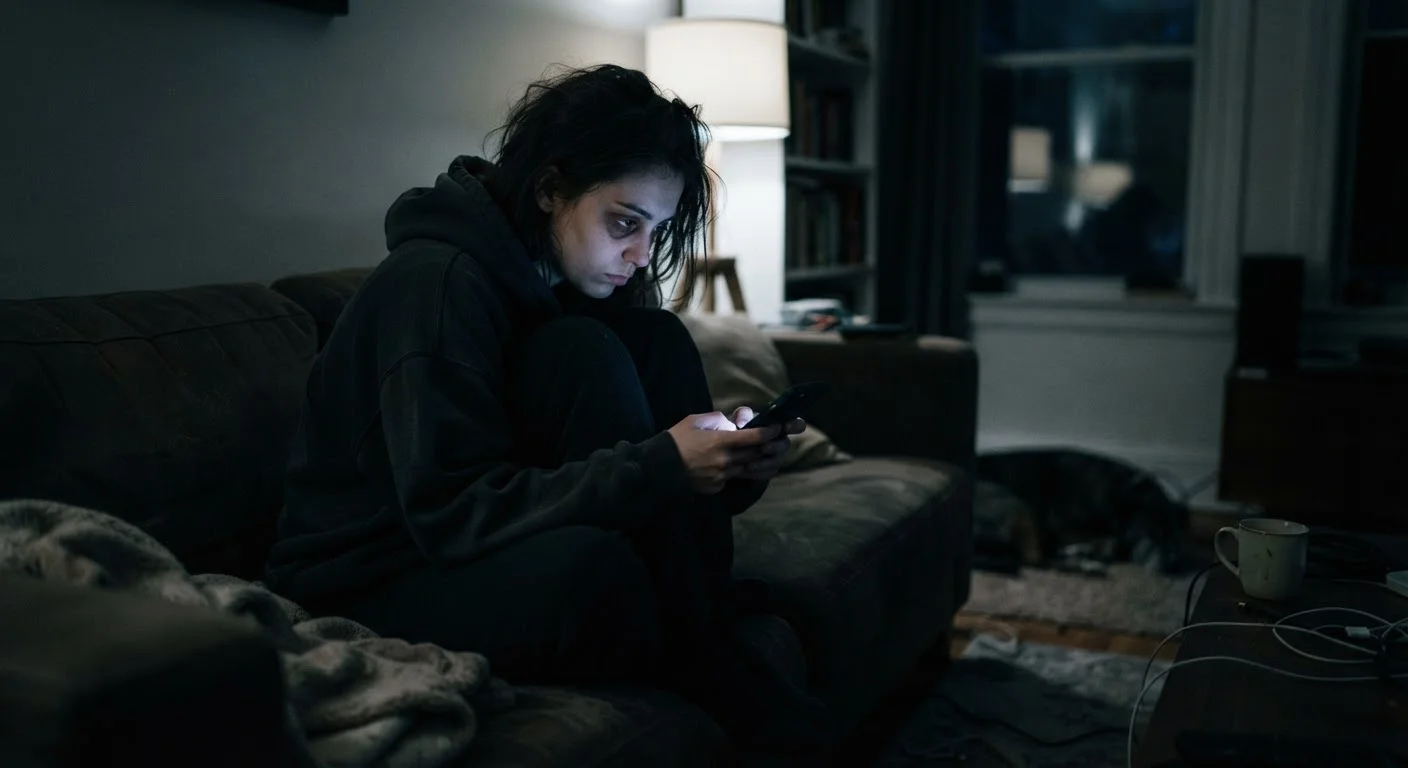
Doom-scrolling through news or social media, especially late at night.
Why it happens: The brain is wired to monitor for threats, and news feeds are designed to capture and hold attention by emphasizing negative or alarming content. It can feel like staying informed, but the input often exceeds our capacity to process or act on it.
Using reassurance-seeking as a primary coping mechanism.
Why it happens: Asking others whether everything will be okay, or repeatedly Googling symptoms and worst-case scenarios, provides momentary relief. The catch is that it doesn't build tolerance for uncertainty - it makes uncertainty harder to bear.
Disrupted or insufficient sleep - including inconsistent bedtimes.
Why it happens: When anxiety is high, sleep often suffers, and people may stay up late to decompress or scroll. Poor sleep in turn elevates the stress hormone cortisol, creating a cycle that makes anxiety worse the next day.
Treating caffeine as a daily requirement without accounting for its effects on the nervous system.
Why it happens: Caffeine is embedded in daily social routines and is widely used to manage fatigue - itself often caused by poor sleep. Its anxiety-amplifying effects are easy to miss because they're gradual and dose-dependent.
31%
U.S. adults affected by anxiety disorders
According to the National Institute of Mental Health, approximately 31% of U.S. adults experience an anxiety disorder at some point in their lives.
~2x
Anxiety risk increase linked to poor sleep
Research published in peer-reviewed sleep science journals has found that chronic sleep disruption is associated with significantly elevated risk of anxiety and mood disorders.
Breaking the Cycle: What Actually Helps
Changing anxiety-sustaining habits doesn't require overhauling your entire life at once. Research in cognitive behavioral therapy (CBT) - a widely studied, evidence-based approach - consistently shows that small, deliberate behavioral changes compound meaningfully over time.
Practical starting points include scheduling a defined period for news consumption rather than checking continuously, practicing brief "worry windows" to contain rumination to a set time, and gradually approaching avoided situations rather than eliminating them entirely. Sleep hygiene - consistent bedtimes, limiting screens before bed, keeping the bedroom cool and dark - is also strongly linked to reduced anxiety in clinical literature.
Habit Change Alone Has Limits
Self-directed behavioral changes can support mental wellbeing, but they are not a replacement for professional mental health care. If you've tried adjusting these habits without meaningful improvement, or if your anxiety feels severe or sudden in onset, a licensed therapist or your primary care provider is the right next step. Anxiety disorders are among the most treatable mental health conditions when addressed with appropriate professional support.
Just as certain financial habits can erode progress without obvious warning signs (much like the patterns described in our savings traps article), anxiety habits tend to compound quietly before they become obviously disruptive.
This article is for general informational and educational purposes only and does not constitute medical or mental health advice. If anxiety is significantly affecting your daily life, please consult a qualified mental health professional.