

Key Takeaways
Annual Wellness Exam
An annual wellness exam is a scheduled, head-to-tail physical checkup performed by a licensed veterinarian — even when your pet appears healthy. It's designed to establish a baseline for your pet's health, catch early signs of disease, update preventive care like vaccines and parasite control, and give you a chance to ask questions. Think of it as routine maintenance, not just a sick visit.
Vets may refer to this as a 'preventive care visit,' 'wellness check,' or 'annual physical.' The frequency can vary: puppies, kittens, and senior pets often need more frequent visits than healthy adult animals.
What the Exam Actually Covers
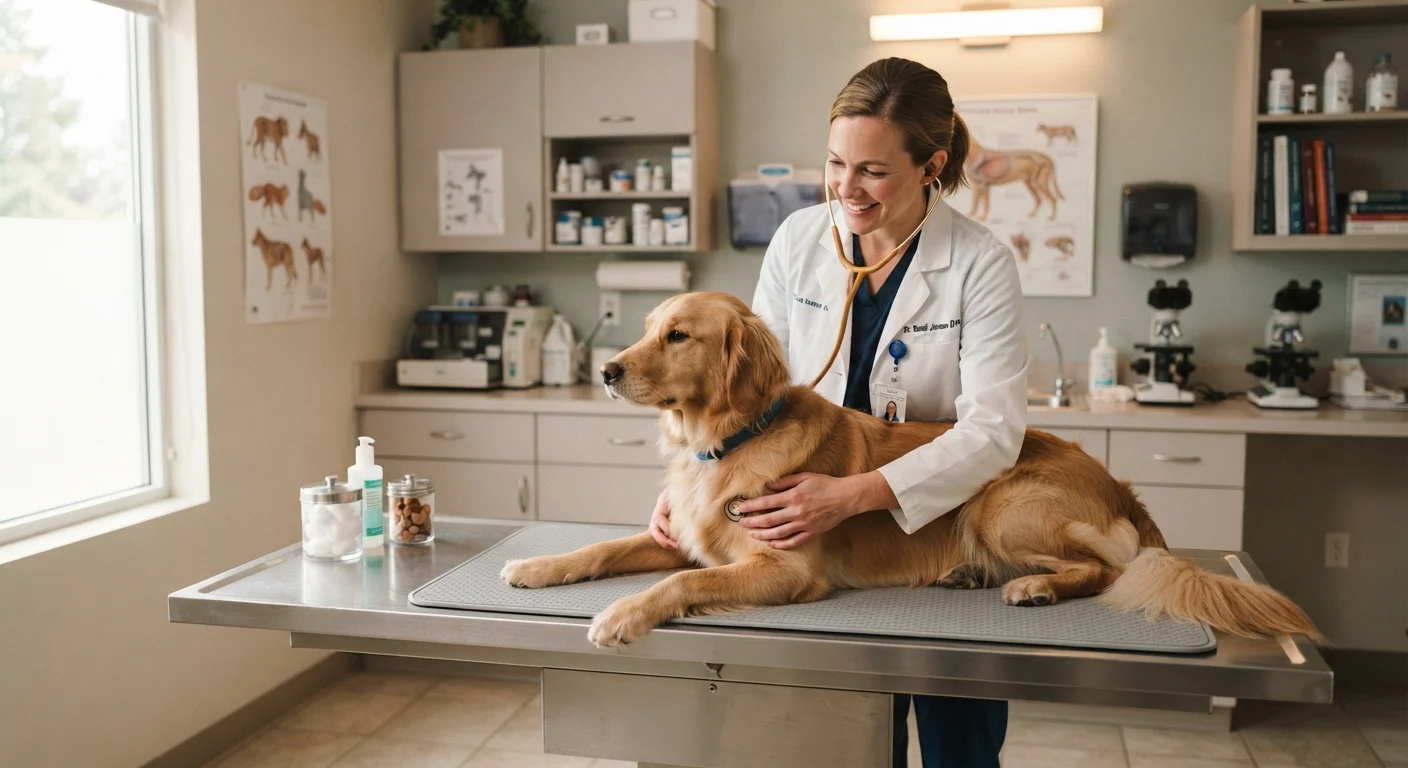
When a veterinarian conducts a wellness exam, they're working through a systematic, full-body evaluation — not just checking off vaccine boxes. The assessment typically includes:
- Eyes and ears: Checking for discharge, inflammation, early signs of infection, or vision and hearing changes.
- Mouth and teeth: Dental disease affects the majority of dogs and cats by age three. Vets look for tartar buildup, gum inflammation, loose or fractured teeth, and oral masses.
- Heart and lungs: A stethoscope evaluation listens for murmurs, arrhythmias, or abnormal breathing patterns.
- Abdomen: Palpation helps detect organ enlargement, masses, pain responses, or irregular texture in the liver, spleen, kidneys, and intestines.
- Skin and coat: Dryness, hair loss, lumps, parasites, and changes in coat quality can all indicate underlying health issues.
- Lymph nodes and musculoskeletal system: Swollen lymph nodes may signal infection or immune activity; joint mobility and muscle mass are assessed, especially in older animals.
- Weight and body condition: Vets use a structured tool called a body condition score to assess whether your pet is at a healthy weight — not just what the scale says. You can learn more about how this works in our guide to reading your pet's body weight.
This physical walkthrough takes about 15–20 minutes and generates a current snapshot of your pet's health that becomes part of their medical record.
The Exam Is Not Just About Vaccines
Many pet owners schedule the annual visit primarily to stay current on vaccinations — which is valuable — but the physical examination itself is the core of the visit. Vaccines address specific infectious disease risks, while the exam evaluates your pet's overall health status. Both components matter, but neither replaces the other.
What Vets Are Screening For — Even When Your Pet Seems Fine
One of the most important things annual exams accomplish is catching conditions that don't yet show obvious symptoms. Pets are instinctively good at masking discomfort — a behavior rooted in survival instincts. By the time you notice something is wrong, a condition may already be well advanced.
Common conditions caught early through routine exams include:
- Kidney disease: Gradual loss of kidney function is common in older cats and dogs. Early bloodwork changes allow for dietary management before clinical signs appear.
- Dental disease: Pain and infection from periodontal disease often go unnoticed at home but are clearly visible on oral exam.
- Thyroid disorders: Hyperthyroidism in cats and hypothyroidism in dogs often develop slowly, showing up in bloodwork before behavioral or physical changes become obvious.
- Heart disease: Murmurs detected on auscultation can prompt monitoring or referral before heart failure develops.
- Obesity and metabolic changes: Weight gain accumulates gradually. A vet's trained eye — combined with body condition scoring — identifies creeping weight gain before it contributes to diabetes, arthritis, or other complications.
Skipping these visits means these early signals go undetected. Our article on the hidden costs of skipping preventive pet care explores in detail how delayed detection tends to compound both health and financial consequences.
“The annual wellness exam is one of the most important tools we have. Pets age faster than people, and a lot can change in a year. By the time an owner notices something's off, we may already be dealing with a more advanced problem than we'd like.”
— American Animal Hospital Association, Veterinary accreditation and standards organization, AAHA Preventive Healthcare Guidelines
How Visit Frequency Changes With Life Stage
A once-a-year schedule applies primarily to healthy adult pets. Frequency recommendations shift significantly depending on where your animal is in its life.
Puppies and kittens require a series of visits during their first four to five months — typically every three to four weeks — to complete their initial vaccine series, monitor growth, and address early developmental concerns like parasite control and socialization.
Healthy adults (generally ages 1–7 for dogs, 1–10 for cats) benefit from annual wellness exams. These visits maintain the health baseline and catch gradual changes before they accelerate.
Senior pets often warrant twice-yearly exams, since organ function, mobility, and metabolic health can shift more quickly. What a vet missed in January may look meaningfully different by July in a 10-year-old cat.
Breed, species, and individual health history also matter. Large-breed dogs tend to age faster than small breeds. Brachycephalic breeds (those with flat faces, like bulldogs and Persian cats) may need more frequent monitoring for respiratory and dental concerns.
For a fuller picture of how your pet's care needs evolve from puppyhood through old age, see our guide on pet care across every life stage.
~70%
Dogs and cats with dental disease by age 3
According to the American Veterinary Medical Association, periodontal disease is one of the most common conditions seen in companion animals, often progressing silently without regular oral exams.
2x/year
Recommended exam frequency for senior pets
Many veterinary organizations recommend twice-yearly wellness exams for dogs and cats considered senior, due to the accelerated pace of age-related health changes in older animals.
1 in 3
Pets diagnosed with cancer in their lifetime
The American Veterinary Medical Association notes that cancer is a leading cause of death in older pets, underscoring the importance of routine physical exams for early detection of masses or abnormalities.
What Happens Beyond the Physical Exam
Wellness exams often include — or prompt referrals for — diagnostics and preventive treatments beyond the physical assessment:
- Vaccines: Not every vaccine is given every year. Your vet will review your pet's history and lifestyle to determine which boosters are due, distinguishing between core vaccines (required for all pets) and non-core vaccines (based on risk factors).
- Parasite screening and prevention: Fecal testing screens for intestinal worms; heartworm testing is typically done annually for dogs. Your vet will recommend appropriate preventive protocols based on your region and pet's environment. See our overview of parasite prevention approaches for more context.
- Bloodwork: Routine panels — complete blood count, chemistry, and sometimes thyroid levels — are often recommended starting in middle age or earlier for certain breeds.
- Nutritional and behavioral counseling: Vets may ask about diet, activity level, and behavioral changes. These conversations feed into recommendations that support your pet's daily wellbeing. Pairing vet guidance with a consistent daily routine reinforces the health work done in the exam room.
The annual visit is also simply your best opportunity to ask questions in a professional setting — about changes you've observed, care decisions you're weighing, or what to watch for in the coming year.
Come Prepared With Questions
Before your pet's appointment, jot down any changes you've noticed — in appetite, energy, bathroom habits, or behavior. Even small observations can be diagnostically useful. The annual exam is your dedicated window for professional guidance, so make the most of the time you have with your vet.
This article provides general educational information about veterinary wellness exams and is not a substitute for professional veterinary advice. Consult a licensed veterinarian for guidance specific to your pet's health needs.