

Key Takeaways
Start here
Why Shopping Intentionally Matters
Learn the language
Core Concepts Every New Budgeter Should Know
Build your system
Building a Simple Shopping Framework
Stay consistent
Habits and Tools That Keep You on Track
Avoid the traps
Common Pitfalls — and How to Sidestep Them
Why Shopping Intentionally Matters
Most household budgets don't fall apart on large, obvious purchases. They erode through small, routine decisions made at checkout — a few extra items here, a convenience upgrade there. Over a year, those micro-decisions can add up to hundreds of dollars that weren't part of any plan.
Intentional shopping doesn't mean spending less on everything. It means spending on purpose — knowing what you're buying, why, and whether it fits your broader financial picture. For anyone new to budgeting, this is the foundational skill to build first. Before exploring specific tactics, it helps to understand how shopping fits into your overall household spending. Our Budgeting Basics hub covers the core strategies for doing exactly that.
Core Concepts Every New Budgeter Should Know
A few key ideas form the vocabulary of intentional shopping. Understanding them makes every other tactic easier to apply.
Needs vs. wants
Needs are purchases required for basic health, safety, or daily function. Wants improve comfort or enjoyment but aren't essential. Distinguishing the two before checkout is one of the most effective checks on overspending.
Impulse purchase
An unplanned buy made in the moment, often triggered by placement, promotion, or emotion rather than genuine need. Most budgeting strategies are designed specifically to interrupt this pattern.
Spending category
A label for a group of related purchases — such as groceries, clothing, or household supplies. Grouping spending by category makes it easier to set limits and spot patterns.
Per-category budget
A set dollar amount allocated to a specific spending category each month. It functions as a decision boundary: once the limit is reached, non-essential purchases in that category pause until the next period.
Value vs. price
Price is what you pay; value is what you get for what you pay. A lower-priced item that wears out quickly may offer less value than a more expensive, durable one. Evaluating both prevents false savings.
Cooling-off period
A self-imposed waiting period — often 24 to 48 hours — before completing a non-essential purchase. It shifts the buying decision away from in-store emotional pressure to a calmer, more deliberate moment.
Familiarity with standard household budget categories will help you assign purchases to the right bucket and see patterns more clearly over time.
Building a Simple Shopping Framework
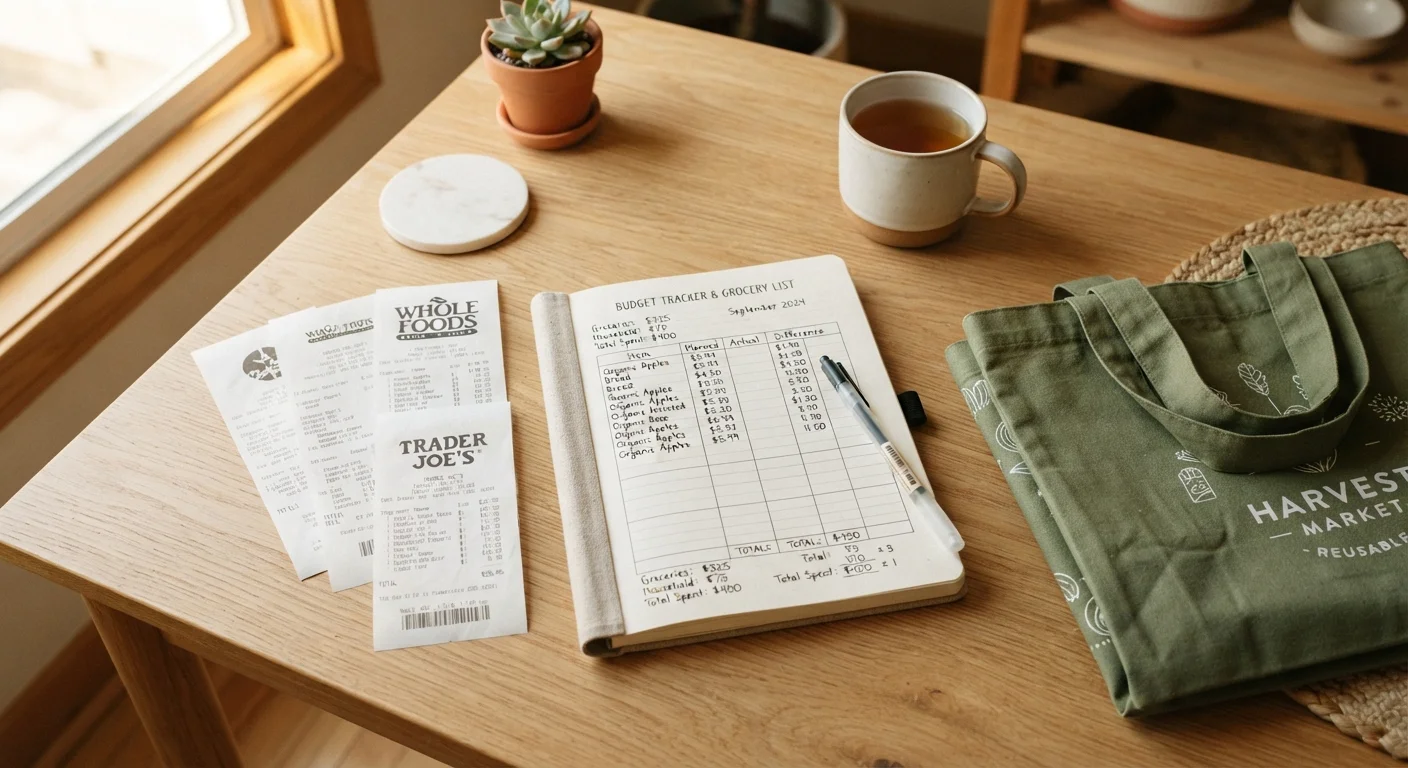
A shopping framework is just a repeatable process you follow before, during, and after any purchase. You don't need complicated software to start — a notepad works fine.
- Set category limits before you shop. Decide in advance what you'll spend on groceries, household supplies, and clothing each month. Write the numbers down. Vague intentions don't hold up in a store aisle.
- Make a list every time. Whether grocery shopping or browsing online, a pre-committed list is your first line of defense against unplanned spending. Items on the list get purchased; items not on the list get evaluated separately.
- Apply a cooling-off rule to non-essentials. For anything over a threshold you choose — many people use $30–$50 — wait at least 24 hours before completing the purchase. This simple pause eliminates a large share of impulse buys.
- Review weekly, not monthly. A quick five-minute review of your spending each week surfaces problems while they're still small. Monthly reviews often reveal patterns too late to correct.
Start With One Category
If tracking all spending at once feels overwhelming, pick just one category — groceries or household supplies — and apply your framework there first. One well-managed category builds the habit more reliably than six poorly managed ones. Expand to other categories once the first feels routine.
Once you've established these habits, our guide on stretching a household budget at the store offers practical next-level strategies.
Habits and Tools That Keep You on Track
Consistency matters more than perfection. A few lightweight habits, repeated regularly, produce better results than elaborate systems that get abandoned after a week.
- Envelope or category tracking: Allocate a fixed amount to each spending category at the start of the month. When a category is empty, you pause non-essential purchases in that area. This works whether you use cash, a spreadsheet, or an app.
- Receipt or transaction logging: Logging purchases — even briefly — creates awareness that changes behavior on its own. Studies in behavioral economics consistently find that people who track spending make different choices than those who don't.
- A running "want list": Instead of buying non-essential items immediately, log them in a running list. Review it monthly. You'll find many items no longer seem worth it, and the ones that remain are genuine priorities.
If you're also managing credit or deferred payments alongside your shopping budget, our foundation guide on debt and credit explains the key concepts before you borrow.
Monthly Budget Starter Template
A blank category-based budget template helps new budgeters assign spending limits before the month begins. Look for printable or spreadsheet versions from nonprofit financial education organizations.
Nonprofit Financial Counseling (NFCC)
The National Foundation for Credit Counseling connects consumers with accredited nonprofit financial counselors who can provide personalized budgeting guidance at low or no cost.
Consumer Financial Protection Bureau (CFPB) Money Tools
The CFPB publishes free, plain-language guides on budgeting, spending tracking, and financial planning that are well-suited to readers starting from scratch.
Common Pitfalls — and How to Sidestep Them
New budgeters run into the same obstacles repeatedly. Knowing them in advance makes them easier to navigate.
Beware of 'Deal' Thinking
Buying something you didn't need just because it's discounted is still spending, not saving. A discount reduces the cost of a purchase; it doesn't create value if the item wasn't on your list. Train yourself to evaluate whether you'd buy the item at full price before letting a discount factor into the decision.
Setting a budget that's too restrictive. An unrealistically tight budget creates deprivation pressure that leads to rebound spending. Build in a modest discretionary allowance so the budget feels livable.
Tracking only big purchases. The purchases most likely to derail a shopping budget are small, frequent, and feel trivial in the moment. Shopping habits that quietly drain your budget is a useful companion read that examines exactly these patterns.
Treating a budget as a one-time setup. Income, expenses, and priorities change. Revisit your shopping allocations every few months and adjust. A budget that reflected your life six months ago may not serve you well today.
Building smarter shopping habits is an ongoing process, not a switch you flip. Start with one or two changes, let them become automatic, then layer in more. The compounding effect of consistent small decisions is significant — in both directions. For a broader look at building financial stability, explore the Saving & Growing hub.
This article is for general informational and educational purposes only and does not constitute personalized financial or budgeting advice. For guidance tailored to your specific situation, consider consulting a licensed financial professional.