

Key Takeaways
Credit Score
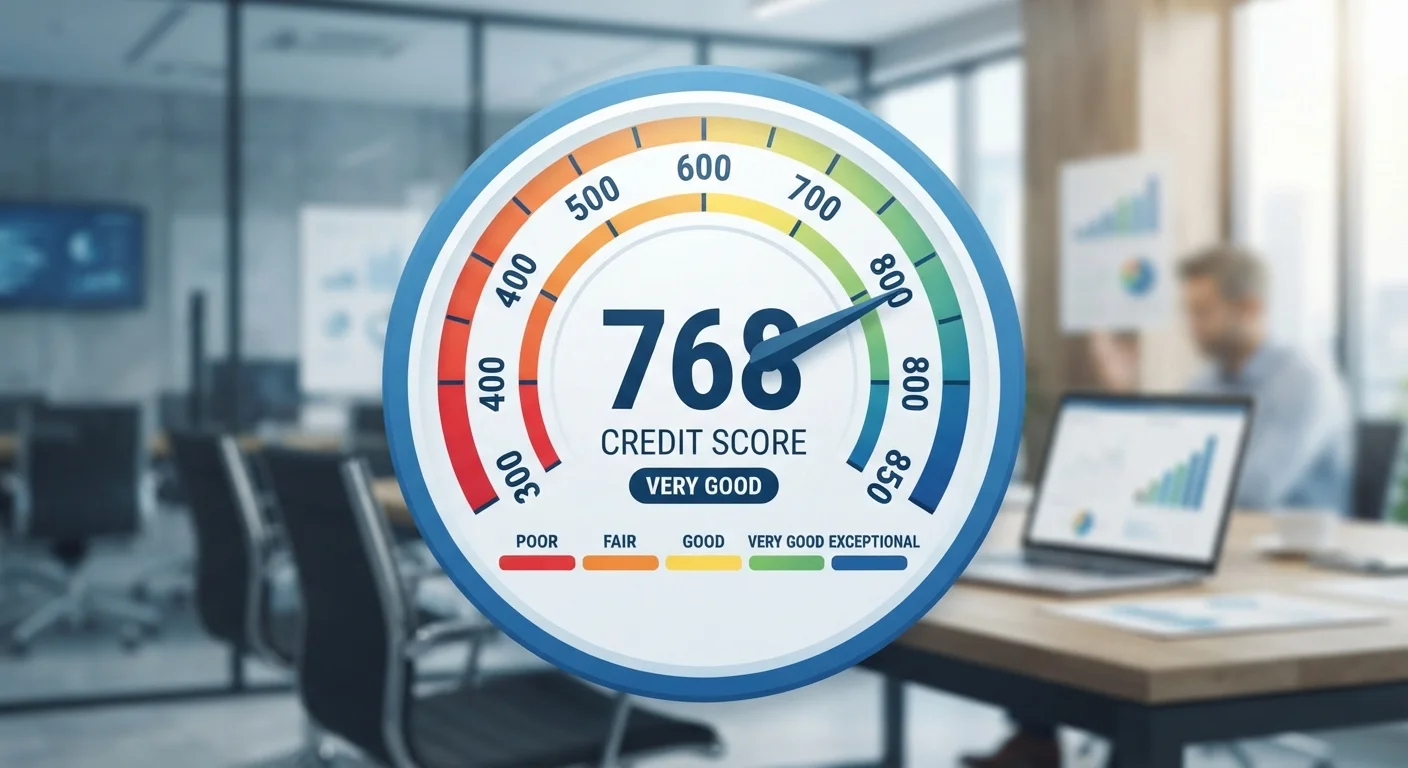
A credit score is a three-digit number — typically ranging from 300 to 850 — that represents how reliably a person has managed borrowed money. It is calculated from the information in your credit report and gives lenders a quick, standardized way to assess the risk of lending to you. The higher your score, the more creditworthy you appear.
The most widely used scoring models are FICO® Score and VantageScore, both of which use the same 300–850 scale but apply slightly different weighting formulas to credit report data.
Where the Number Comes From
Your credit score is not a judgment of your character or income — it is a mathematical summary of your borrowing behavior drawn entirely from your credit report. The three major credit bureaus (Equifax, Experian, and TransUnion) collect data from lenders, credit card issuers, and other creditors. Scoring companies like FICO and VantageScore then apply algorithms to that data to produce a single number.
Because scoring models rely on credit report data, the accuracy of your report directly affects your score. Before worrying about your score, it is worth understanding what your report actually contains. Reading your credit report section by section can reveal errors that may be quietly dragging your number down.
300–850
Standard credit score range (FICO and VantageScore)
Both FICO and VantageScore use this scale; scores below 580 are generally considered poor, while scores above 740 are typically viewed as very good.
~35%
Weight of payment history in FICO scoring
According to FICO's published scoring factor breakdown, payment history carries more weight than any other single factor in its widely used scoring models.
3
Major U.S. credit bureaus reporting score data
Equifax, Experian, and TransUnion each maintain independent credit files, meaning your score can vary across the three bureaus depending on what each one has on record.
The Five Factors That Shape Your Score
Most major scoring models evaluate five core categories, each carrying a different weight:
- Payment history (roughly 35%): Whether you pay on time is the single largest factor. Even one missed payment can meaningfully lower a score, particularly if the account is sent to collections.
- Credit utilization (roughly 30%): This is the ratio of your current credit card balances to your total available credit limits. Keeping this ratio low is one of the fastest levers you can pull. Why credit utilization matters more than most people realize explains how timing and balance reporting interact.
- Length of credit history (roughly 15%): Older accounts and a longer average account age generally benefit your score.
- Credit mix (roughly 10%): Lenders like to see that you can manage different types of credit — installment loans and revolving accounts, for example.
- New credit (roughly 10%): Applying for several new accounts in a short period can signal financial stress and cause temporary score dips.
Focus on Payment History First
If you are working to improve your credit score, consistent on-time payments are the most impactful habit you can build. Setting up automatic minimum payments prevents accidental missed payments — even if you plan to pay more later. One late payment reported to the bureaus can take months to recover from.
How Lenders Actually Use the Score
A credit score does not make lending decisions on its own — it is one input among several. When you apply for a mortgage, for instance, lenders also examine your debt-to-income ratio, employment history, and assets alongside your score. What lenders look at during mortgage underwriting provides a fuller picture of that process.
That said, your credit score often determines whether an application is reviewed further at all, and it heavily influences the interest rate you are offered. A higher score typically translates to lower borrowing costs over the life of a loan — a difference that can amount to thousands of dollars on a mortgage or auto loan.
“Credit scores are not designed to predict whether someone is a good person — they are designed to predict the statistical likelihood that a borrower will repay a debt as agreed.”
— Consumer Financial Protection Bureau, U.S. federal consumer financial regulator
It is also worth knowing that lenders may use industry-specific score versions — auto lenders, for example, sometimes use FICO Auto Scores that emphasize your history with auto loans. The score a lender sees may not match the general-purpose score you checked online, and that is normal.
Your Score May Vary by Lender
There is no single universal credit score. FICO alone has dozens of scoring model versions, and different lenders subscribe to different versions. If a lender's score seems unexpectedly different from one you checked yourself, it is likely due to a different model version or a different bureau's data being used — not an error.
Common Misconceptions Worth Clearing Up
Credit scoring is surrounded by persistent myths that can lead people to make counterproductive decisions. Common credit score myths and what the evidence actually shows addresses these in depth, but a few deserve immediate mention: closing an old credit card rarely helps and often hurts by shrinking your available credit and shortening your history. Carrying a small balance on a card does not boost your score — paying it off fully each month is better for your score and your finances.
Understanding what your score actually measures — and what it does not — is the foundation for managing it effectively. Your score reflects past behavior; it also responds to current behavior, meaning deliberate, consistent habits will move it in the right direction over time.
This article is for general informational purposes only and does not constitute personalized financial or legal advice. Consult a qualified financial professional for guidance specific to your situation.