

Key Takeaways
When Does a Pet Become 'Senior'?
The answer depends on species and size. Most veterinarians consider cats and small dogs senior around age 7, while larger dog breeds may reach senior status closer to 5 or 6. This matters because aging pets experience physiological changes — slower metabolism, reduced kidney efficiency, joint wear — that call for a different approach to daily care.
Understanding the biology behind this shift can help you get ahead of problems rather than react to them. For a deeper look at why pets age faster than humans, see why pets age faster than humans. Recognizing your pet's life stage is the first step toward proactive, compassionate care.
This article provides general health information for educational purposes only and is not a substitute for professional veterinary advice. Always consult your veterinarian for guidance specific to your pet.
Nutrition for Aging Pets
Dietary needs shift meaningfully as pets age. Common changes include reduced caloric needs, altered kidney and liver function, and a greater risk of muscle loss (sarcopenia). Senior pets generally benefit from diets that are:
- Higher in quality protein to preserve lean muscle mass — contrary to older thinking, most healthy senior dogs and cats still need adequate protein.
- Adjusted in calories to prevent obesity, which stresses aging joints and organs.
- Enriched with omega-3 fatty acids, which may support joint and cognitive health.
- Appropriate in phosphorus levels for pets with early kidney changes, as directed by a vet.
If your pet has a diagnosed condition, your veterinarian may recommend a prescription diet tailored to that need. Learn how these differ from standard formulas in our guide to prescription diets vs. over-the-counter therapeutic foods for pets. Nutritional needs across the lifespan shift for all species — the principles aren't entirely unlike the changes discussed in nutrition across the human lifespan.
Schedule veterinary checkups every six months for senior pets.
Conditions like kidney disease, diabetes, and hyperthyroidism are far more manageable when caught early. Twice-yearly exams give vets the opportunity to run baseline bloodwork and catch trends before they become serious problems.
Transition senior pets to an age-appropriate diet in consultation with your vet.
Senior formulas are generally calibrated for lower caloric density and modified nutrient profiles. However, not all senior pets have the same needs — a vet's input ensures the diet matches your individual animal's health status.
Modify the home environment to reduce physical strain.
Arthritis and reduced strength make everyday movements — jumping onto furniture, navigating slippery floors, climbing into litter boxes — genuinely painful. Simple modifications lower the physical barrier and preserve independence.
Maintain a consistent daily routine to reduce stress-related health impacts.
Aging pets, particularly those experiencing early cognitive decline, thrive on predictability. Routine feeding, exercise, and sleep times reduce anxiety and support digestive and neurological health.
Track your pet's weight and body condition monthly.
Both weight gain and weight loss are clinically significant in senior pets. Early detection allows dietary or medical adjustments before the change becomes a serious concern.
Mobility and Comfort
Joint stiffness, arthritis, and reduced muscle strength are common in senior pets. Supporting mobility doesn't require expensive interventions — many effective strategies are environmental and behavioral.
Simple Home Adjustments That Help
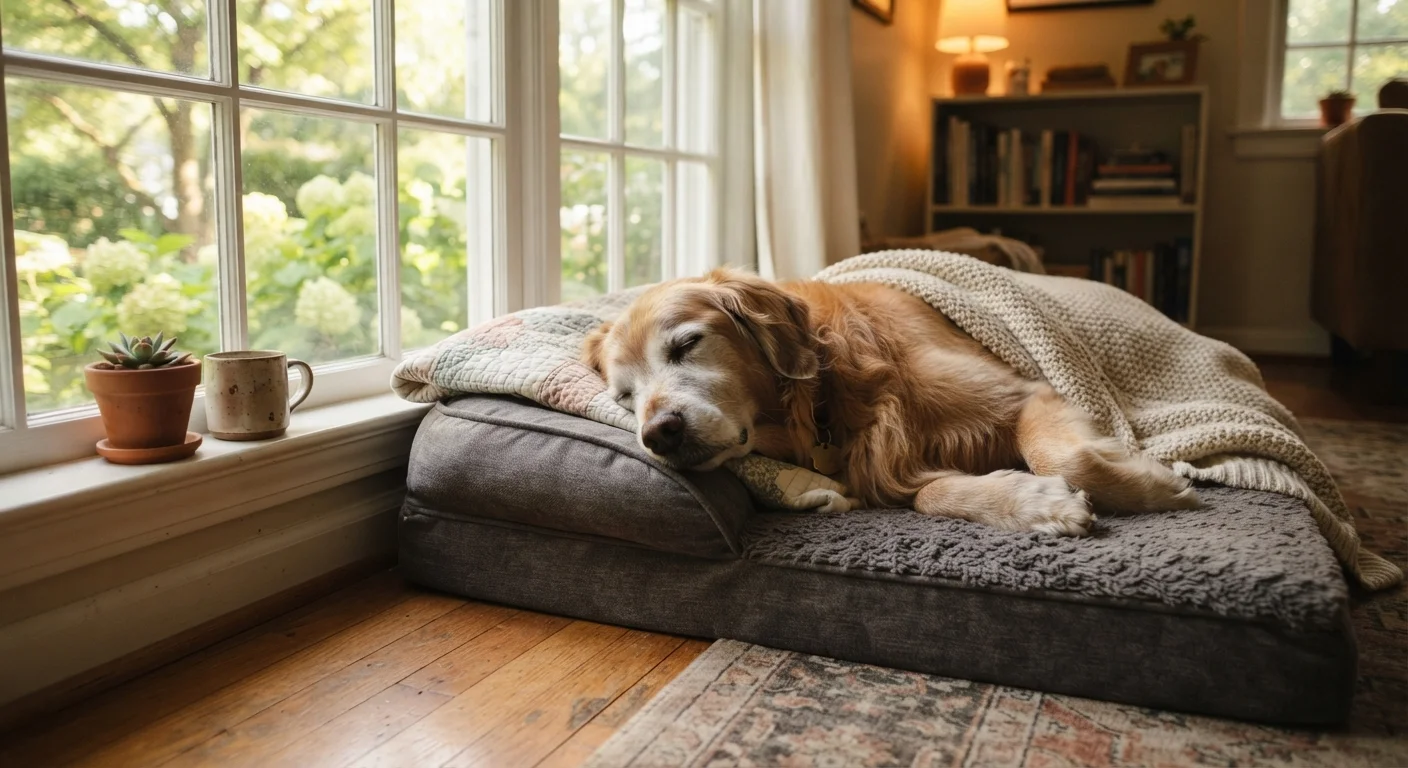
Orthopedic or memory-foam pet beds reduce pressure on aging joints during sleep. Raised food and water bowls can ease neck and shoulder strain for large dogs. For cats, low-sided litter boxes remove the need to step over a high barrier — a small change that significantly improves comfort for arthritic pets.
Beyond physical modifications, consistent low-impact activity supports joint health. Short, frequent walks are generally better than occasional long ones for arthritic dogs. For cats, encouraging gentle play with low-effort toys keeps them moving without strain. Always follow your veterinarian's guidance on appropriate activity levels for your individual pet.
Monitoring and Recognizing Change
Pets instinctively mask discomfort, which means owners and vets must look for subtle signals. Changes worth noting and reporting include:
- Increased or decreased thirst or urination
- Unexplained weight loss or gain
- Changes in activity level, gait, or willingness to climb stairs
- Altered sleep patterns or disorientation
- Changes in coat quality or skin condition
Understanding your pet's baseline body language is essential — our guide on reading your pet's body language can help you distinguish normal variation from signals that warrant veterinary attention.
For a broader perspective on how care needs evolve from puppyhood to senior years, see our overview of pet care across every life stage. More foundational guidance for owners at any stage is available in our pet ownership basics hub.