

Key Takeaways
Separation Anxiety in Dogs
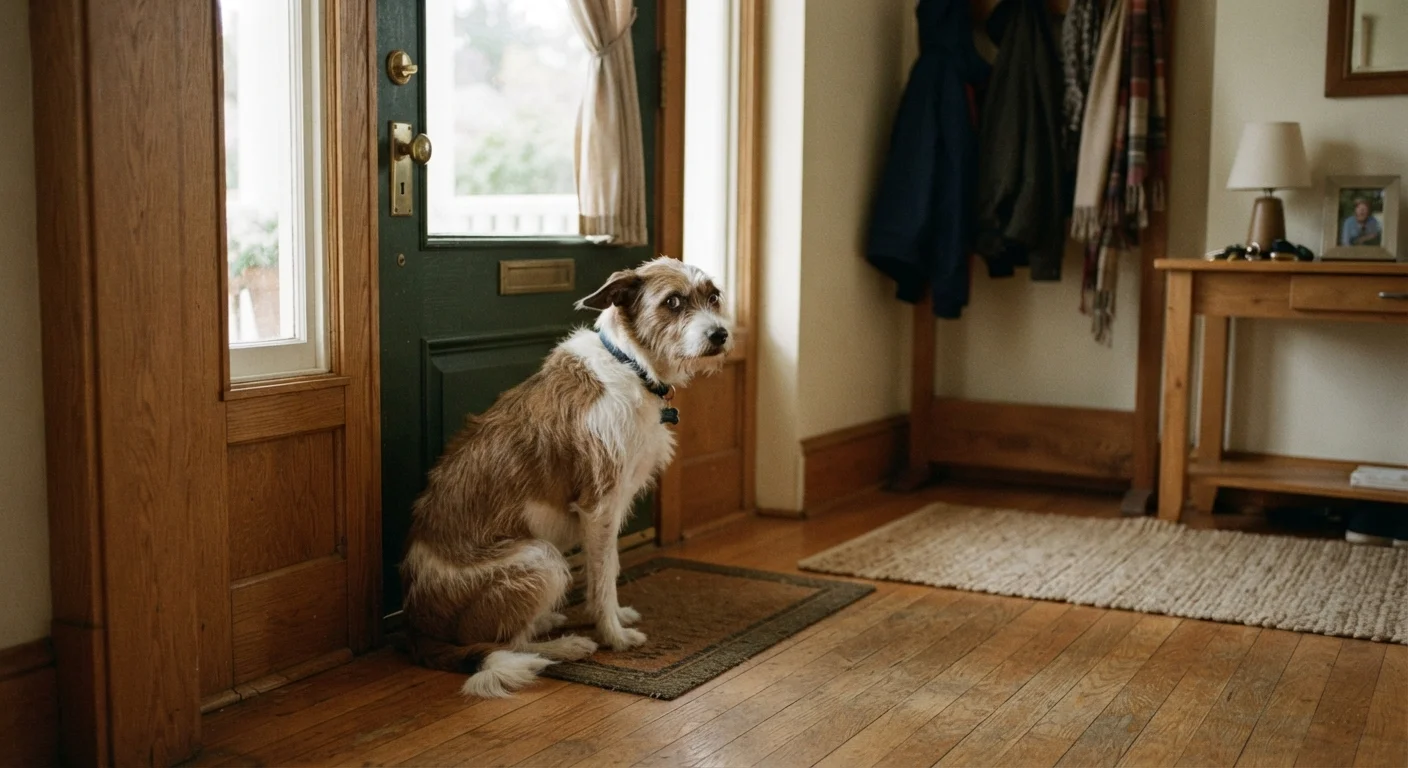
Separation anxiety is a stress response in which a dog experiences significant distress when left alone or separated from specific people they are bonded to. It goes beyond normal restlessness — it is a genuine anxiety disorder that can cause destructive behavior, vocalization, and physical symptoms. The dog is not misbehaving out of stubbornness; they are responding to a perceived threat of abandonment.
Clinically, separation anxiety falls under the umbrella of canine anxiety disorders and may involve dysregulation of the same stress-response pathways seen in human anxiety. Severe cases often benefit from behavioral intervention alongside veterinary support.
What Separation Anxiety Actually Is
Separation anxiety is frequently mischaracterized as a dog being "too attached" or acting out for attention. In reality, it is a fear-based condition. When a bonded dog is left alone, their nervous system registers the separation as a genuine threat — triggering the same fight-or-flight stress response activated by real danger.
The behaviors owners observe — chewing door frames, howling, urinating indoors, pacing — are not calculated acts. They are expressions of acute distress. Understanding this distinction is foundational to addressing the problem effectively. Scolding a dog for anxious behavior misses the cause entirely and can erode the trust that makes training possible.
For a broader look at why dogs and other pets develop behavioral problems in the first place, see why pets develop behavioral problems.
Separation Anxiety Is Not Spite
Dogs do not have the cognitive capacity to plan revenge for being left alone. Behaviors like urinating indoors or chewing owner belongings feel personal, but they reflect stress — not retaliation. Approaching the problem through that lens makes it much easier to respond constructively rather than punitively.
Separation Anxiety vs. Boredom: Key Differences
One of the most common diagnostic mistakes owners make is conflating separation anxiety with general boredom or under-stimulation. Both can produce destructive behavior, but the triggers and timing are different in meaningful ways.
- Separation anxiety begins within minutes of departure, often escalates rapidly, and is focused around exits, owner-associated items, or windows. Dogs may refuse to eat food left behind.
- Boredom-driven behavior tends to spread throughout the day, involves opportunistic targets (shoes, remotes, furniture), and does not show the same escalating distress pattern on video.
Setting up a camera to observe your dog after you leave is one of the most practical diagnostic steps available. Watching real behavior — rather than guessing from damage — tells you what you are actually dealing with. Reading your dog's body language can help you interpret what you see on that footage.
~17%
Dogs estimated to experience separation anxiety
Research published in veterinary behavioral journals suggests roughly 14–20% of dogs may show clinically significant separation-related behaviors at some point in their lives.
Top 3
Reason dogs are surrendered to shelters
Behavioral problems, including separation anxiety, are consistently cited among the leading reasons owners relinquish dogs to shelters, according to shelter intake surveys.
What Triggers and Worsens It
Separation anxiety does not have a single cause — it emerges from a combination of temperament, history, and environment. Common contributing factors include:
- Sudden schedule changes — returning to work after extended time at home is a well-recognized trigger.
- History of rehoming or sheltering — dogs with inconsistent early experiences may be more prone to attachment-based anxiety.
- Breed predisposition — some breeds bred for close human partnership show higher rates, though any dog can be affected.
- Inadvertent reinforcement — owners who respond to anxious behavior by returning or providing comfort during distress may unintentionally strengthen the association between departure and reward.
None of these factors mean an owner did something wrong. Understanding them helps set realistic expectations for the training process.
Desensitization: The Core Behavioral Approach
The most evidence-supported method for treating separation anxiety is systematic desensitization combined with counter-conditioning. The goal is to gradually change the dog's emotional response to being alone — from distress to calm tolerance.
The process works by exposing the dog to departures at a level that stays below the anxiety threshold, then very slowly increasing duration. Key principles include:
- Start below threshold. If your dog shows anxiety after two minutes alone, practice one-minute absences. Success at low intensity is what builds genuine tolerance.
- Progress slowly. Rushing the timeline is the most common reason desensitization fails. Weeks of short sessions often outperform a few dramatic attempts.
- Vary the routine. Dogs learn departure cues (picking up keys, putting on shoes) and begin showing distress before you even leave. Practice these cues without departing to reduce their predictive power.
- Keep arrivals calm. Excited greetings on return, while natural, can amplify the emotional contrast between presence and absence.
This approach is part of the broader foundation of positive reinforcement training covered in our complete pet training reference.
Use a Camera Before You Start Training
Before designing any intervention, spend a few days recording your dog's behavior in the first 30 minutes after you leave. Many phones and inexpensive cameras can stream footage to an app in real time. This removes guesswork, helps you identify your dog's true anxiety threshold, and gives you a baseline to measure progress against.
When to Seek Professional Support
For mild-to-moderate separation anxiety, structured owner-led desensitization often produces meaningful improvement. But moderate-to-severe cases — particularly those involving self-injury, prolonged vocalization, or no tolerance for any alone time — generally benefit from professional guidance.
A certified applied animal behaviorist or a veterinary behaviorist can design a customized behavior modification plan. Your primary care veterinarian may also discuss whether anti-anxiety medication could support the training process by lowering the dog's baseline stress enough to make behavioral learning more accessible. Medication is not a standalone fix — it works alongside behavior work, not instead of it.
Owners navigating this process will find that progress is rarely linear. Setbacks are normal and do not mean the approach is failing. Consistency, patience, and an accurate understanding of what the dog is experiencing are the most reliable tools available.
This article provides general educational information about canine behavior and is not a substitute for personalized veterinary or professional behavioral advice. If your dog is showing signs of significant distress, consult a qualified veterinarian or certified animal behaviorist.