

Key Takeaways
Implied Warranty of Habitability
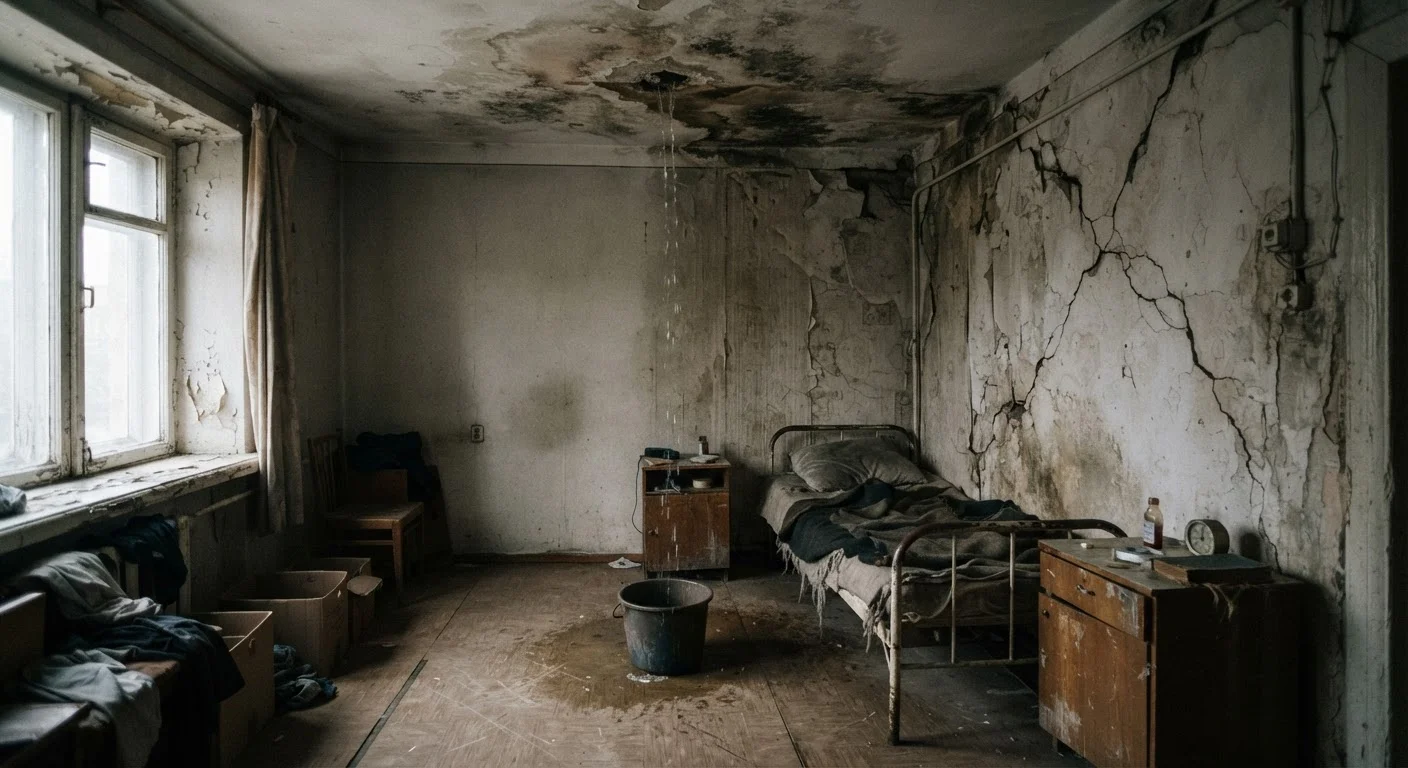
The implied warranty of habitability is a legal doctrine that requires landlords to maintain rental units in a livable condition throughout the tenancy. It exists in most US states, even when not written into the lease. The warranty means tenants are entitled to basic standards — working heat, safe structure, functioning plumbing — as a baseline of any rental agreement.
Legally, this warranty is 'implied' because it is imposed by law rather than requiring explicit contractual language. Courts in the majority of US states recognize it as a non-waivable tenant right, meaning landlords cannot legally contract it away.
What the Law Actually Requires
The implied warranty of habitability does not require a perfect apartment — it requires a livable one. Courts and state statutes have generally defined livability around a consistent set of conditions. Most US jurisdictions require landlords to provide and maintain:
- Structural integrity: A roof, walls, and floors that keep out the elements and do not pose a safety risk.
- Working plumbing: Hot and cold running water, functioning toilets, and drains that operate properly.
- Adequate heat: The ability to heat the unit to a temperature that prevents health hazards — many states specify a minimum of 68°F during winter months.
- Electrical safety: Wiring and outlets that are in safe working order, with no exposed or dangerous conductors.
- Freedom from infestation: Units reasonably free of rodents, cockroaches, and other pests that threaten health.
- Secure entry points: Functioning locks on doors and windows.
These requirements apply at move-in and throughout the entire tenancy. A unit that meets standards in January does not satisfy the warranty if the heating system fails in February and is left unrepaired. For a broader view of what renters are legally entitled to, see tenant rights many renters don't know they have.
State Laws Vary Significantly
While the implied warranty of habitability is recognized broadly across the US, the specific standards, enforcement mechanisms, and tenant remedies differ by state — and sometimes by city or county. New York City, for example, has its own detailed housing maintenance code that goes beyond state baseline requirements. Always verify the rules that apply in your specific jurisdiction before taking action.
What Habitability Does Not Cover
Understanding the warranty's limits is just as important as knowing its scope. Habitability law generally does not address:
- Cosmetic imperfections — scuffs, minor wall cracks, worn flooring that poses no safety risk.
- Appliance upgrades or aesthetic improvements beyond basic function.
- Conditions caused by the tenant's own misuse, neglect, or deliberate damage.
Landlords are typically responsible for repairs to the unit's systems; tenants are generally responsible for keeping the unit reasonably clean and avoiding damage beyond ordinary wear and tear. Your lease will likely spell out these boundaries in more detail. If you're unsure what your lease requires of each party, understanding what your lease clauses actually mean can help you parse the language.
Document Everything from Day One
When you move in, photograph every room and note any existing damage or maintenance issues in writing — ideally in a move-in inspection form submitted to the landlord. This creates a clear baseline record that protects you throughout the tenancy and is invaluable if a habitability dispute arises later.
What Tenants Can Do When a Landlord Fails to Act
If a landlord is notified of a habitability problem and fails to make repairs within a reasonable time, most states provide tenants with one or more legal remedies. The available options vary significantly by state:
- Rent withholding
- Some states allow tenants to stop paying rent — or pay into an escrow account — until repairs are made. Strict procedural requirements apply, and skipping steps can result in eviction proceedings. Never withhold rent without first confirming your state's specific rules.
- Repair and deduct
- Permitted in many states, this remedy allows a tenant to hire a qualified contractor to fix the issue and deduct the reasonable cost from the next month's rent. Dollar caps and notice requirements vary by state.
- Lease termination
- If a unit becomes genuinely uninhabitable and the landlord refuses to act, tenants in most states may be entitled to terminate the lease without penalty — a concept sometimes called 'constructive eviction.'
- Filing a complaint
- Local housing, building, or health departments can inspect a unit and issue citations or violations against a non-compliant landlord, which creates official documentation and can trigger enforcement action.
In every case, written communication is essential. Before pursuing any remedy, notify your landlord in writing, describe the issue clearly, and keep copies of all correspondence. Our guide on communicating with your landlord and documenting issues covers this process in practical detail.
~47
US states with explicit habitability statutes or case law
Legal research organizations tracking tenant rights note that nearly all US states recognize the implied warranty of habitability either through legislation or court-established precedent.
68°F
Common minimum heating standard in colder-climate states
Several northern US states, including New York, set a statutory minimum indoor temperature of 68°F during daytime hours in winter months as part of their housing codes.
30 days
Typical notice period before a tenant remedy activates
While timeframes vary by state, many habitability statutes require landlords be given a 'reasonable time' — often cited as approximately 30 days for non-emergency repairs — to address a reported issue before a tenant remedy applies.
This article is for general informational purposes only and does not constitute legal advice. Habitability laws vary significantly by state and locality. Consult a licensed attorney or local tenant-rights organization for guidance specific to your situation.