

Key Takeaways
Our Verdict
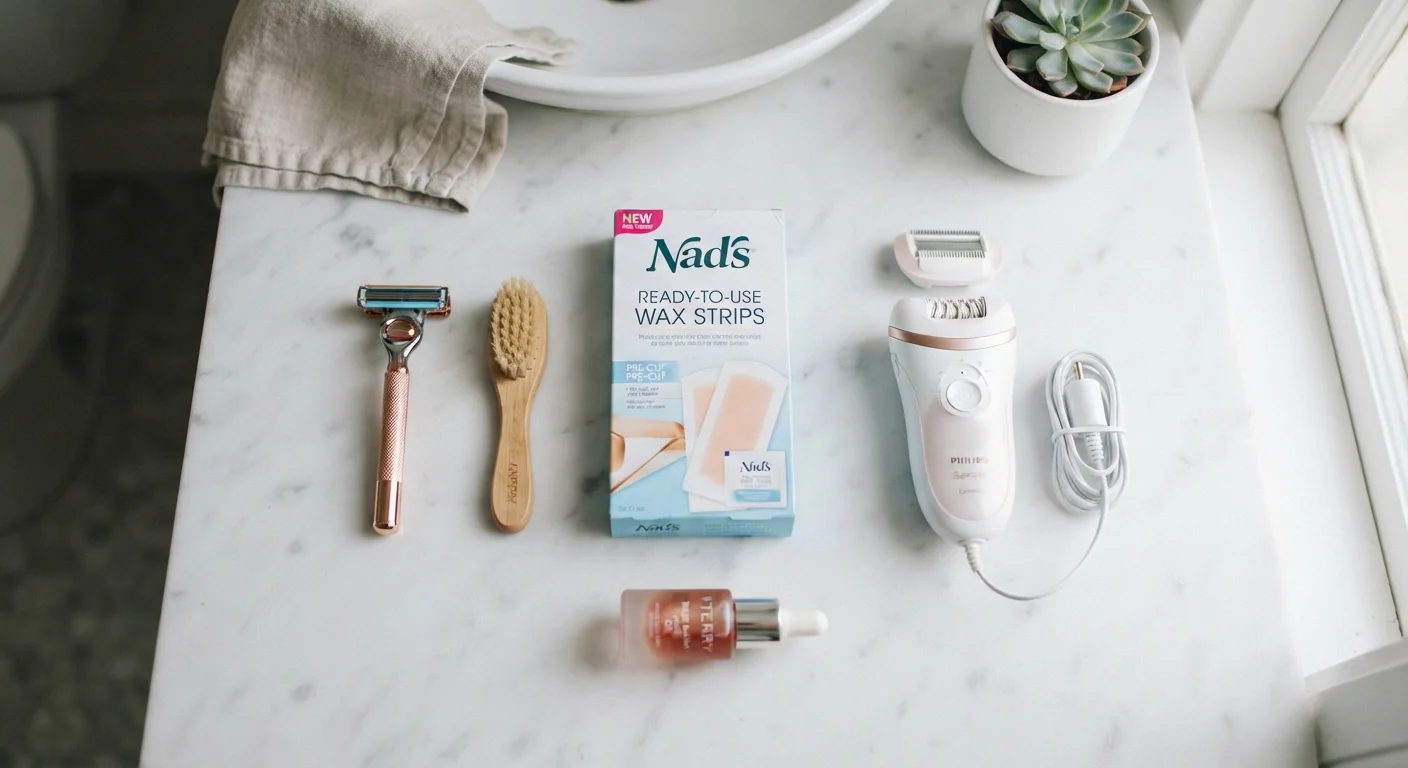
All three methods can deliver smooth skin, but they suit very different lives. Shaving wins on convenience and accessibility, waxing offers a balance of lasting results and skin-smoothing benefits, and epilating rewards patient users with long-term ease. The right choice depends on how much time, money, and discomfort you're willing to factor into your routine.
| Best for | Recommended |
|---|---|
| Those who want a fast, low-cost, no-commitment routine | Shaving |
| Those prioritizing longer-lasting smoothness and exfoliating benefits | Waxing |
| Those willing to invest upfront for long-term convenience and cost savings | Epilating |
How Each Method Actually Works
Understanding the mechanics behind each method helps set realistic expectations before you commit to one.
Shaving uses a blade to cut hair at the skin's surface. It's purely topical — nothing touches the follicle — which is why stubble returns so quickly, often within one to three days. Disposable razors and cartridge systems are widely available at any drugstore.
Waxing applies warm or cold wax directly to skin, which adheres to the hair. When the wax or strip is removed in a swift motion, it pulls hair out from the root. Because the follicle itself is disturbed, regrowth is slower and often finer over time — typically taking two to four weeks.
Epilating uses a handheld electric device fitted with rotating tweezers that mechanically grasp and pull multiple hairs simultaneously from the root. Like waxing, it targets the follicle rather than the surface, with results that last a comparable length of time. The key difference is the device is reusable with no ongoing supply costs.
Start Slow When Trying Something New
If you're new to waxing or epilating, start with a less sensitive area — like the lower leg — before moving to underarms or the bikini line. This lets your skin (and your tolerance) adapt gradually. Give your skin at least 24 hours to recover before applying perfumed products or tight clothing to treated areas.
Pain, Skin Sensitivity, and Side Effects
Pain tolerance and skin type are honest factors to weigh — no reason to downplay them.
Shaving is generally painless when done carefully, but it carries risks: razor burn, nicks, and ingrown hairs are common, particularly on areas like the bikini line or underarms. Using a sharp blade and a hydrating shave gel reduces these risks noticeably.
Waxing causes a sharp, brief sting at the moment of removal. Redness and mild irritation typically fade within an hour or two. People with sensitive skin or those using certain retinoids or exfoliating acids — discussed in depth in our guide to chemical exfoliants vs. physical scrubs — should be cautious, as skin can be more fragile and prone to lifting or tearing.
Epilating is often described as the most uncomfortable of the three methods, especially on the first use or on sensitive areas. Many users report that the sensation decreases significantly with continued sessions as the hair becomes finer. Using an epilator after a warm shower, when pores are more open, can help reduce discomfort.
Avoid Waxing on Compromised Skin
Waxing over sunburned, irritated, broken, or recently exfoliated skin significantly increases the risk of skin lifting or injury. If you're using prescription topicals — particularly retinoids or certain acne treatments — consult a dermatologist before waxing, as these can make skin more vulnerable to damage.
Cost and Convenience Over Time
The upfront and ongoing costs look quite different across these three methods.
| Shaving | Waxing | Epilating | |
|---|---|---|---|
| How it removes hair | Cuts at skin surface | Pulls from root with wax | Pulls from root mechanically |
| Results duration | 1–3 days | 2–4 weeks | 2–4 weeks |
| Upfront cost | Very low | Low to moderate | Moderate to high |
| Ongoing cost | Blade replacements | Wax or strips | Minimal (electricity only) |
| Pain level | Low | Moderate | Moderate to high initially |
| Time per session | 2–5 minutes | 10–20 minutes | 15–30 minutes |
| Best for | Quick, frequent touch-ups | Lasting smoothness, exfoliation | Long-term convenience |
Shaving costs little to start but adds up through blade replacements. Waxing at home using strips or kits is moderate in cost; professional salon waxing is the most expensive option across all three. An epilator carries a higher one-time price — typically ranging from around $30 to over $100 depending on the model — but has virtually no recurring costs beyond electricity.
For convenience, shaving is hard to beat: a two-minute routine with tools you likely already own. Waxing takes more prep — hair must be a certain length before waxing is effective, generally at least a quarter inch. Epilating sessions can take 15 to 30 minutes depending on the area but become quicker as hair thins with repeated use.
Which Method Suits Your Lifestyle?
There's no universally correct answer, but a few guiding questions can help you decide.
- How much time do you have? If speed and simplicity are non-negotiable, shaving fits into even the most packed morning routine.
- How long do you want results to last? If you'd prefer less frequent upkeep, both waxing and epilating offer multi-week smoothness.
- How sensitive is your skin? Those prone to reactions may need to patch test and consult a dermatologist before trying waxing or epilating on delicate areas.
- What's your budget? A short-term focus favors shaving; a long-term view can make epilating the most economical choice.
Many people use a combination — shaving for quick touch-ups between waxing appointments, for example, or epilating legs while shaving underarms. There's no rule saying you have to commit to just one method across your entire routine.
This article is for general informational purposes only and does not constitute medical or dermatological advice. If you have a skin condition or sensitivity, consult a qualified healthcare professional before trying a new hair removal method.