

Key Takeaways
Option A
Hard Water
The mineral-rich default for most American households.
Best for: Areas with natural limestone or chalk geology where mineral content is unavoidable without treatment.
Option B
Soft Water
The treated or naturally low-mineral alternative.
Best for: Households prioritizing appliance longevity and reduced scale buildup in plumbing systems.
If your appliances are showing scale buildup and efficiency is declining
Soft Water (via treatment)
Mineral scale is a leading cause of reduced water heater and dishwasher efficiency. Softening your water can slow that accumulation significantly.
If you have older copper or lead-soldered pipes
Hard Water
Soft water's slightly higher corrosivity can leach metals from aging pipes. Consult a licensed plumber before softening water in an older home.
If someone in your household is on a sodium-restricted diet
Hard Water
Ion-exchange softeners add sodium to water, which may be a concern for people managing blood pressure or heart conditions. Speak with a healthcare provider.
If you want to reduce soap and detergent usage
Soft Water (via treatment)
Soft water lathers more easily, so households typically use less soap, shampoo, and laundry detergent to achieve the same cleaning result.
What Makes Water Hard or Soft
Water picks up its character from the ground it travels through. As rainwater filters through limestone, chalk, and dolomite deposits, it absorbs calcium and magnesium ions - the minerals that define hard water. The United States Geological Survey estimates that roughly 85% of American homes receive hard water, making it the norm rather than the exception.
Soft water is simply water with a low concentration of those dissolved minerals. It occurs naturally in regions with granite-heavy geology, but most soft water in homes is produced artificially through an ion-exchange softener - a device that swaps calcium and magnesium ions for sodium ions as water passes through a resin tank.
Water hardness is typically measured in ppm or grains per gallon (gpg). Water under 1 gpg is considered soft; anything above 7 gpg is classified as hard. Your municipal water utility is required to publish annual water quality reports, so checking your local hardness level is straightforward.
| Criterion | Hard Water | Soft Water |
|---|---|---|
| Mineral content | High (calcium, magnesium) | Low; sodium added if ion-exchanged |
| Scale buildup | Yes - on pipes, fixtures, appliances | Minimal to none |
| Pipe corrosion risk | Low - minerals coat pipe walls | Higher in older metal pipes |
| Appliance efficiency | Reduced over time by scale | Better maintained efficiency |
| Soap/detergent use | Higher - minerals inhibit lather | Lower - lathers easily |
| Drinking taste | Slightly mineral; often preferred | Possibly faintly salty if softened |
| Sodium content | Negligible | Elevated if ion-exchange treated |
| Treatment required | No - occurs naturally | Usually yes, via softener system |
Real-World Impact on Your Home
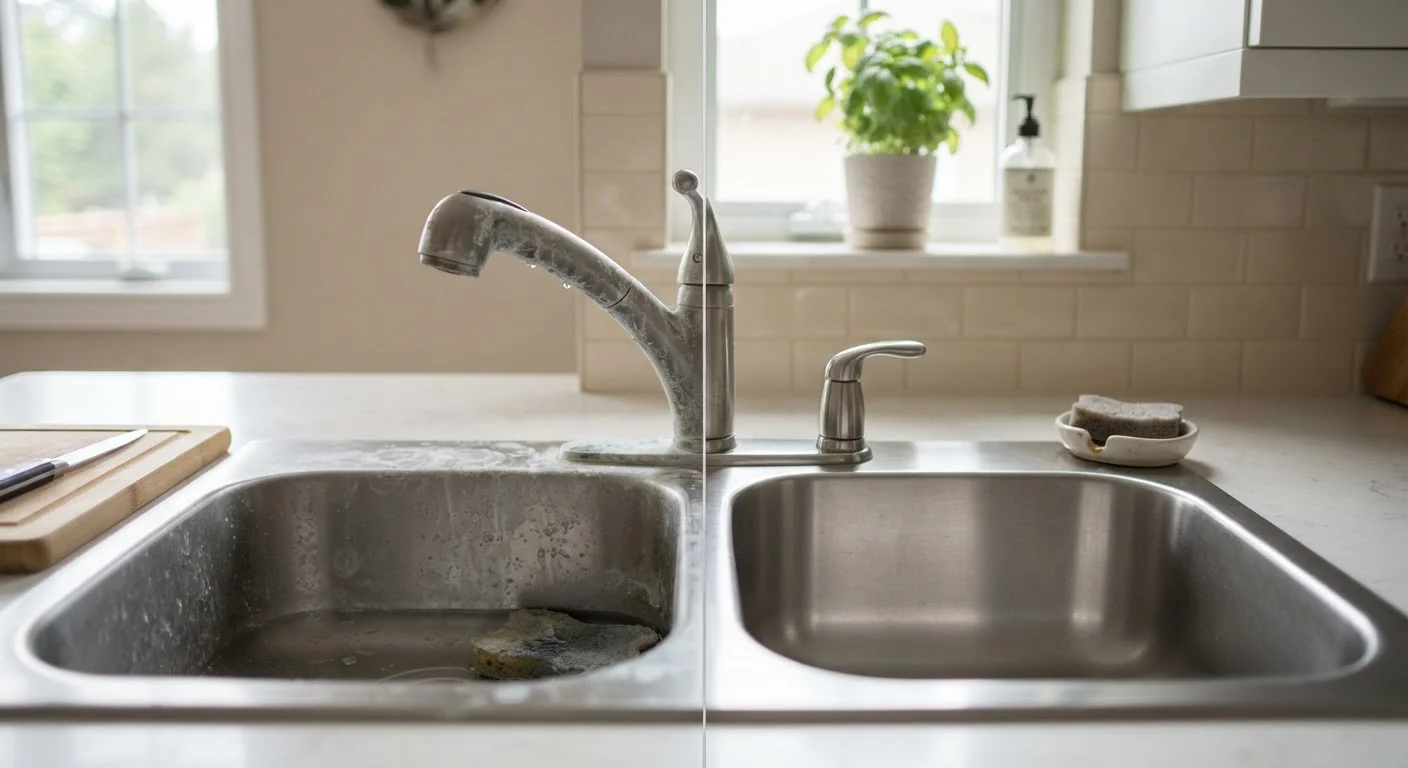
Appliances and water heaters: Scale - the chalky white residue hard water leaves behind - is the primary concern for home systems. It insulates heating elements, forcing water heaters to work harder to reach the same temperature. This directly affects energy consumption and shortens equipment lifespan. If you're weighing ownership versus a rental arrangement for your water heater, understanding your water hardness matters - see this breakdown of water heater rental vs. ownership for context on how maintenance costs factor in.
~85%
U.S. homes receiving hard water
According to the U.S. Geological Survey, the majority of American households are supplied with hard or moderately hard water.
Up to 25%
Potential water heater efficiency loss
Industry research suggests significant scale accumulation in water heaters can reduce heating efficiency, increasing energy costs over the appliance's lifespan.
Pipes and fixtures: Hard water gradually narrows pipe diameter through scale accumulation, reducing water pressure over years. Soft water, however, is slightly more chemically aggressive - it can accelerate corrosion in certain older metal pipes, particularly galvanized steel or pipes with lead-based solder. The habits that quietly shorten plumbing lifespan often include ignoring water chemistry, which compounds these effects.
Skin, hair, and taste: Many people notice that hard water leaves skin feeling slightly tight after bathing due to soap residue that doesn't fully rinse away. Soft water rinses cleaner but can leave a faintly slippery feel that some find off-putting. Taste is also affected: many people prefer the slightly mineral flavor of hard water for drinking, while softened water can taste faintly salty depending on sodium levels added during treatment.
Sodium in Softened Water: A Health Note
Ion-exchange softeners do add a measurable amount of sodium to water, though the quantity varies with hardness level. For most people this addition is minor compared to dietary sodium from food. However, individuals managing hypertension, kidney disease, or other conditions that require sodium restriction should consult a healthcare provider before using softened water as their primary drinking source. A reverse-osmosis filter on the drinking tap is one common workaround, as it removes most added sodium.
Should You Treat Your Water?
There's no universal right answer - the decision depends on your water hardness reading, the age and material of your plumbing, your household's health considerations, and your budget for equipment and maintenance.
If your water tests above 7-10 gpg and you're noticing scale on fixtures, reduced appliance performance, or high detergent usage, a water softener is worth evaluating with a licensed plumber or water treatment specialist. If your home has older pipes or a household member is on a low-sodium diet, discuss those constraints specifically before committing to ion-exchange softening - alternatives like salt-free conditioners (which alter mineral behavior without adding sodium) exist, though their effectiveness is debated.
Getting a water test - either through your utility's report or an inexpensive at-home kit - is the sensible first step before spending anything on equipment. Knowledge of your actual hardness level keeps the decision grounded in your home's reality rather than general marketing claims.
This article provides general home information for educational purposes only. For decisions involving plumbing, water quality, or health considerations, consult a licensed professional appropriate to your situation.