

Key Takeaways
The Slow Damage You Don't Notice
Plumbing rarely fails all at once. More often, a pipe joint quietly corrodes, a slow drip erodes a fitting, or years of grease buildup gradually narrows a drain until the whole system backs up. The frustrating part: the habits causing this damage feel completely harmless in the moment.
Understanding which everyday routines put stress on your plumbing - and why - lets you make small adjustments that genuinely extend the life of your pipes and fixtures. This isn't about overhauling your lifestyle; it's about a few informed swaps that your future self (and wallet) will appreciate. For a broader look at how deferred maintenance compounds costs, see why small ignored repairs escalate.
Six Habits Worth Reconsidering
The practices below are among the most common contributors to premature plumbing wear in American homes.
Check and regulate your home's water pressure regularly.
The U.S. plumbing standard recommends household water pressure between 40 and 80 psi. Sustained pressure above that range stresses pipe joints, valve seats, and appliance connections - shortening their usable life even when everything appears to be working fine.
Stop treating your toilet as a trash can.
So-called "flushable" wipes, cotton balls, dental floss, and paper towels do not break down the way toilet paper does. They accumulate in drain lines and sewer traps, creating blockages that can eventually cause pipe backpressure or sewage backup.
Never pour cooking grease or oil down the kitchen drain.
Fats, oils, and grease (collectively called FOG in plumbing) solidify as they cool inside drain pipes. Over time, grease accumulates on pipe walls, narrows the flow path, and creates conditions where debris and soap scum pack together into stubborn blockages.
Avoid repeated use of chemical drain cleaners.
Caustic or acidic drain cleaners work by chemically dissolving the clog - but those same reactions also attack pipe surfaces, especially older metal pipes and rubber gaskets inside fixtures. Frequent use contributes to corrosion that shortens the pipe's lifespan.
Address minor leaks and drips as soon as you notice them.
A dripping faucet wastes water and creates persistent moisture that slowly corrodes fittings, degrades caulk seals, and can promote mold growth in concealed spaces. What starts as a worn washer - a simple fix - can escalate into damaged cabinetry or subflooring if ignored.
Use drain strainers consistently in showers and sinks.
Hair, soap fragments, and food particles are the primary cause of most residential drain clogs. A strainer catches debris before it reaches the pipe, and the only maintenance required is emptying it regularly - taking seconds rather than requiring a service call.
Quick Actions You Can Take This Week
You don't need a plumber on speed dial to start protecting your system. Several of the most impactful steps cost nothing and take under an hour.
Keeping an eye on your water bill for unexplained usage spikes is one of the simplest early-warning tools available to any homeowner.
What Pipe Material Means for Your Maintenance Choices
Not all plumbing responds to stress the same way. The material your pipes are made of changes which habits matter most.
Know What's Behind Your Walls
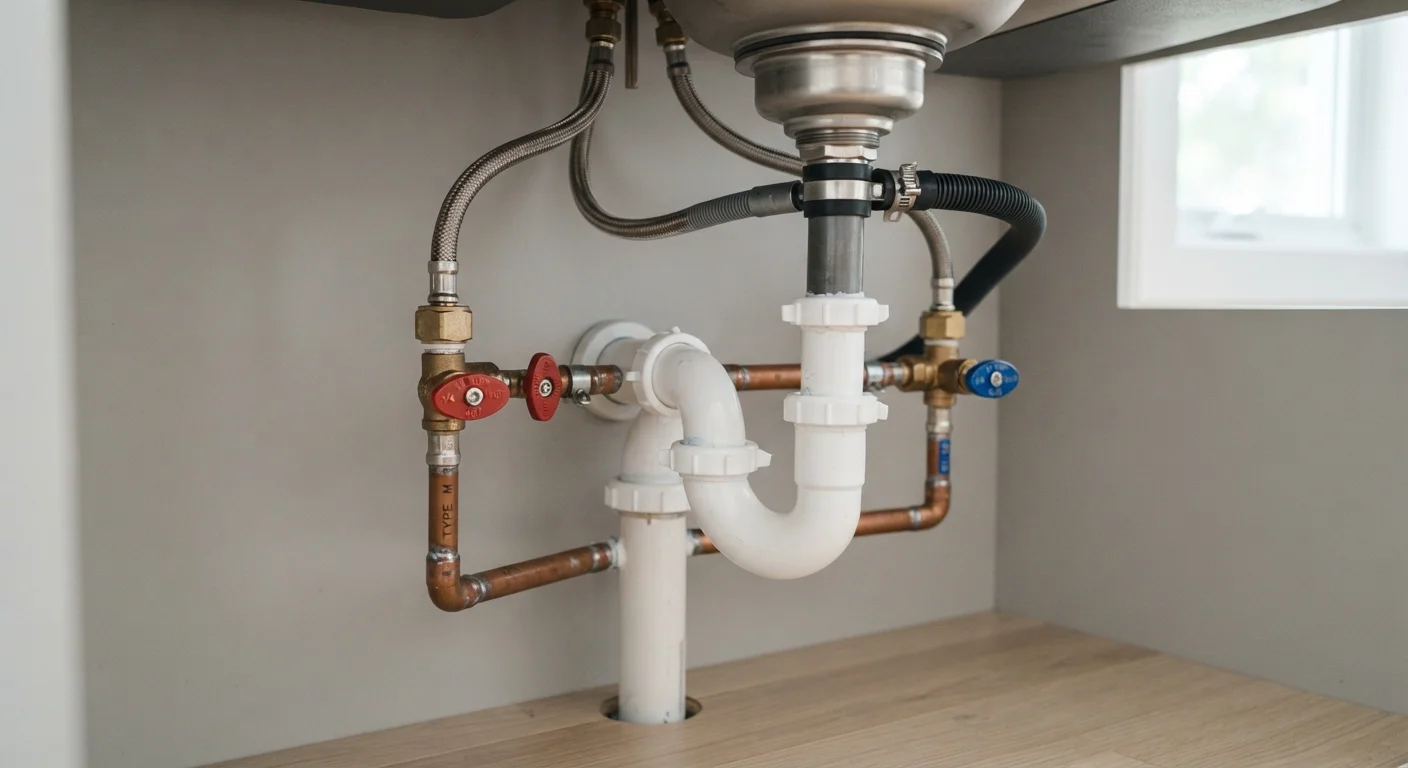
Many homeowners don't know whether their pipes are copper, galvanized steel, PVC, or PEX - and that information matters for maintenance decisions. If you have a home inspection report from your purchase, it will often identify the pipe material. Otherwise, a plumber can identify it quickly during any routine visit. Mixing incompatible pipe materials without the right connectors is also a common source of joint failures and leaks.
Homes built before the 1980s may have galvanized steel or cast iron pipes - both of which corrode from the inside out over decades. Chemical drain cleaners are especially harsh on these materials. Copper, common from the mid-20th century onward, is durable but vulnerable to pinhole leaks from high mineral content in water. PVC and PEX (cross-linked polyethylene), used in newer construction, hold up well but can be degraded by very hot water or harsh solvents. Knowing your pipe type - visible in your utility areas or noted in a home inspection report - helps you decide how cautious to be with any product you put down a drain.
If your home is approaching the upper end of typical appliance and plumbing lifespans, understanding when to repair versus replace can help you plan more strategically rather than react to emergencies.
Flush Infrequently Used Drains Monthly
Floor drains in basements, utility rooms, and guest bathrooms can dry out if not used regularly. When the water in a drain trap evaporates, sewer gases can enter your home through the opening. Running water through these drains for 30 seconds once a month keeps the trap full and the seal intact.
This article provides general home maintenance information for educational purposes. For plumbing work involving permits, structural changes, or tasks beyond routine maintenance, consult a licensed plumber and verify your local code requirements.