

Key Takeaways
What Inspectors Examine — and What They Don't
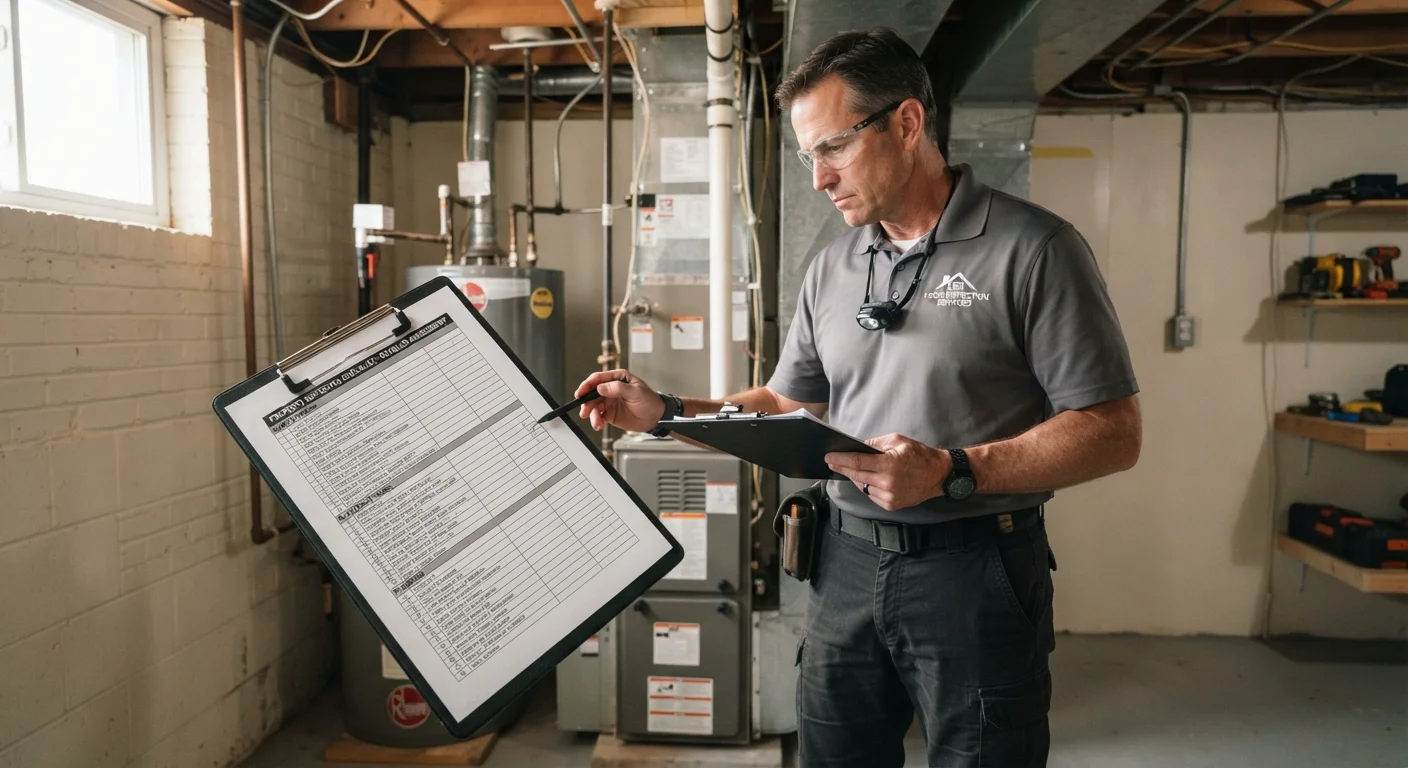
A licensed home inspector evaluates the visible, accessible components of a property's major systems on the day of inspection. This typically includes the roof covering and gutters, exterior cladding and grading, foundation and basement conditions, structural framing where visible, electrical panels and wiring, plumbing supply and drain lines, heating and cooling equipment, water heater, insulation in accessible areas, and interior surfaces. Understanding where different insulation types are used can help you contextualize findings in that section of the report.
Equally important is understanding the inspection's limitations. Inspectors do not test for radon, lead paint, mold, or underground oil tanks unless specifically contracted to do so. They do not move furniture, lift carpet, or open walls. If a system was inaccessible on inspection day — for example, a furnace that could not be fired in summer — that limitation should be noted in the report. Buyers should treat those gaps as areas requiring additional scrutiny.
Attend the Inspection in Person
Walking through the property with the inspector as they work gives you real-time context for written findings. You can ask questions, see conditions firsthand, and better understand which items are minor versus those requiring immediate attention. Most inspectors welcome buyer attendance.
Using the Report in Negotiations
An inspection report is not simply a list of problems — it is a negotiating instrument. Once you have categorized findings and estimated costs, you are in a position to make an informed, documented request. Sellers are generally more receptive to addressing safety hazards and significant system failures than cosmetic or maintenance issues. Frame requests around objective evidence in the report rather than general dissatisfaction with the property's condition.
Keep your contingency deadline in mind throughout this process. Missing it — even by one day — can result in losing your contingency rights, leaving you in a more vulnerable position. Work closely with your agent and, where necessary, your attorney to ensure all responses are submitted in writing within the required timeframe.
Never Waive Your Inspection Contingency Lightly
In competitive markets, some buyers feel pressure to waive inspection contingencies to strengthen their offers. Doing so means accepting the property in its current, unknown condition — potentially inheriting costly repairs. If you choose to waive, understand that you are assuming full financial risk for any undisclosed defects discovered after closing.
Inspection Reports Are Not a Guarantee
A home inspection is a visual assessment of accessible systems and components on a single day. Inspectors cannot see inside walls, below slabs, or predict future failures. Significant defects can exist that a general inspector is not equipped to detect — especially mold, radon, or structural issues — which is why specialty inspections are sometimes recommended.
This article is for general informational purposes only and does not constitute legal, financial, or real estate advice. Consult a licensed real estate professional or attorney regarding decisions specific to your circumstances.