

Style & Beauty

Before You Try a New Skincare Product: A Practical Checklist

Share
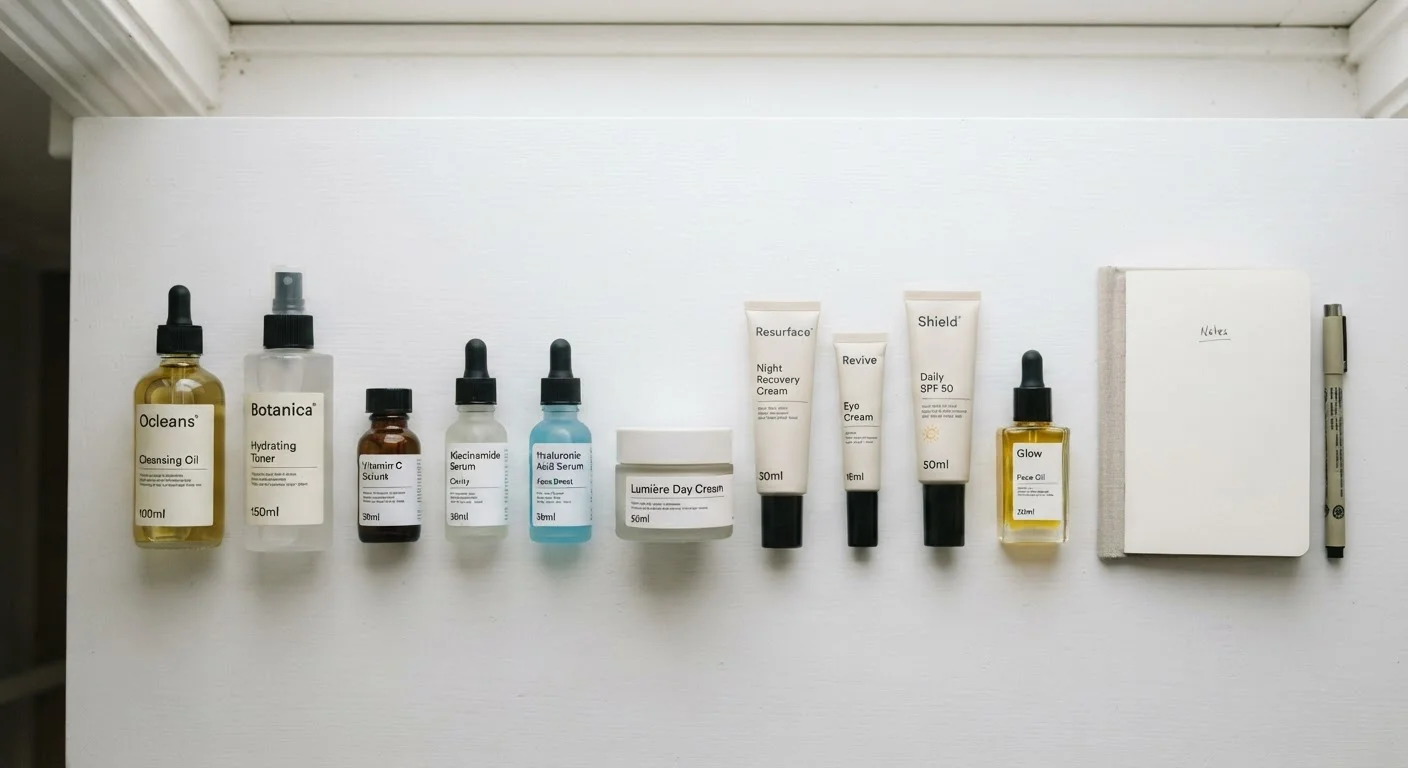
Assorted skincare products arranged on a white surface next to a small notebook and pen.

Key Takeaways

Always patch test a new product for 24–48 hours before applying it to your full face.
Introduce only one new product at a time so you can isolate the cause of any reaction.
Check ingredient lists for known conflicts — such as vitamin C with niacinamide or retinol with AHAs.
Fragrance and alcohol are among the most common causes of skin irritation in new products.
Give a new product at least four weeks of consistent use before evaluating its effectiveness.
15–30 min

Summary

18 items · 15–30 minutes

Why a Checklist Makes Sense Before You Commit

Adding a new product to your skincare routine feels exciting — but it can also be the fastest way to a breakout, redness, or irritation you can't immediately trace. The fix isn't to avoid new products; it's to introduce them thoughtfully. This checklist walks you through every step, from reading labels before you buy to knowing when a reaction means stop.

Whether you're building your first routine (our beginner's guide to starting a skin care routine is a great place to anchor that) or adding a targeted serum to an established regimen, these steps apply across the board. Work through them in order for best results.

Before You Buy

Read the full ingredient list and flag any ingredients you know have caused irritation on your skin in the past. Must
Check whether the product contains fragrance, essential oils, or alcohol — three common irritants worth noting if your skin is sensitive. Must
Verify that the product's active ingredients don't conflict with actives already in your routine (e.g., retinol and AHAs used at the same time can cause irritation). Must
Review the product's intended skin type and compare it to your own — a formula designed for oily skin may be too stripping for dry skin types. Should

Patch Testing

Apply a small amount of the product to the inner forearm or behind the ear — two areas where skin is sensitive but reactions are easy to monitor. Must
Leave the patch undisturbed for 24 hours without washing the area, then check for redness, itching, swelling, or bumps. Must
Extend the patch test to 48 hours for products containing higher concentrations of actives like retinol, AHAs, or benzoyl peroxide. Should
If no reaction appears after 48 hours, do a secondary test on a small area of your face (cheek or jawline) before applying the product fully. Should

Introducing the Product

Add only one new product at a time to your routine — never introduce two new items in the same week. Must
Start with a lower frequency than instructed (every other day rather than daily) to give skin time to acclimate, especially with active ingredients. Should
Apply the new product in the correct step order for your existing routine — refer to a product layering guide if you're unsure. Must
Log the date you started using the product so you have a clear reference point when assessing results or reactions. Nice to have

Monitoring and Evaluating

Check your skin daily during the first two weeks and note any changes — positive or negative — in texture, oiliness, or clarity. Must
Discontinue use immediately if you experience burning, significant redness, swelling, or a spreading rash, and consult a dermatologist if symptoms persist. Must
Distinguish between an adjustment period (mild flaking or dryness that settles after 1–2 weeks) and a true reaction (persistent irritation or worsening skin). Should
Wait a full four weeks of consistent use before deciding whether a product is genuinely working — most active ingredients take time to show measurable results. Should
Once the new product is well-established in your routine, align your full regimen with a consistent everyday skincare framework. Nice to have

What You'll Need

You don't need a lab setup — just a few practical items to carry out a safe, informed product trial. Gather these before you start.

Required

Cotton pads or cotton balls

Used to apply product precisely during the patch test without cross-contaminating other areas.

Required

Notebook or notes app

Track the date you started, frequency of use, and any skin changes you notice over time.

Optional

Magnifying mirror

Helps you spot subtle early reactions — redness, texture changes, or tiny bumps — during monitoring.

Optional

Ingredient checker resource

A reputable cosmetic ingredient database helps you identify potential allergens and conflicting actives before you buy.

Common Mistakes That Derail New Product Trials

Don't Introduce New Products Before Big Events

Avoid trialing any new skincare product in the week leading up to a major event — a wedding, interview, or special occasion. Even a product that's generally well-tolerated can cause a temporary purge or adjustment reaction. Give yourself at least two to three weeks of clear results before relying on a new addition when the stakes are high.

Skipping Patch Tests Is a Calculated Risk

Many people skip patch testing and get away with it — until they don't. Allergic contact dermatitis can develop suddenly, even to an ingredient you've used before without issue. A 48-hour patch test is a small investment that can prevent days of dealing with an uncomfortable reaction on your face.

One of the most overlooked steps is checking for ingredient conflicts. Some active ingredients interact poorly when layered: for example, combining two exfoliating acids in the same routine can over-sensitize skin. If you want to understand how products sit together, our guide on layering skincare products in the right order explains the logic clearly.

Fragrance is another frequent culprit. It's one of the leading triggers for contact dermatitis and sensitivity reactions — learn more in our deep dive on fragrance in skincare. If your skin tends to react, fragrance-free formulas are worth prioritizing.

When to Stop and Seek Help

If a new product causes hives, facial swelling, severe burning, or any reaction that spreads beyond the application area, discontinue use immediately. These symptoms can indicate an allergic reaction that warrants medical attention. A board-certified dermatologist can help you identify the triggering ingredient and advise on safe alternatives.

This article is for general informational purposes only and is not a substitute for professional dermatological or medical advice. If you experience a severe reaction — significant swelling, blistering, or difficulty breathing — discontinue use immediately and seek medical attention.

Style & Beauty Editorial Team is the collective byline for our editorial team and contributor network. Articles published under this byline or an editorial pen name are researched, written, and reviewed according to our editorial standards for clarity, consistency, and independence before publication.

View all articles by Style & Beauty Editorial Team →
Disclaimer: The content on this site is for informational purposes only and is not a substitute for professional advice. Always consult a qualified professional for guidance specific to your situation.