

Key Takeaways
Clothing Tailoring
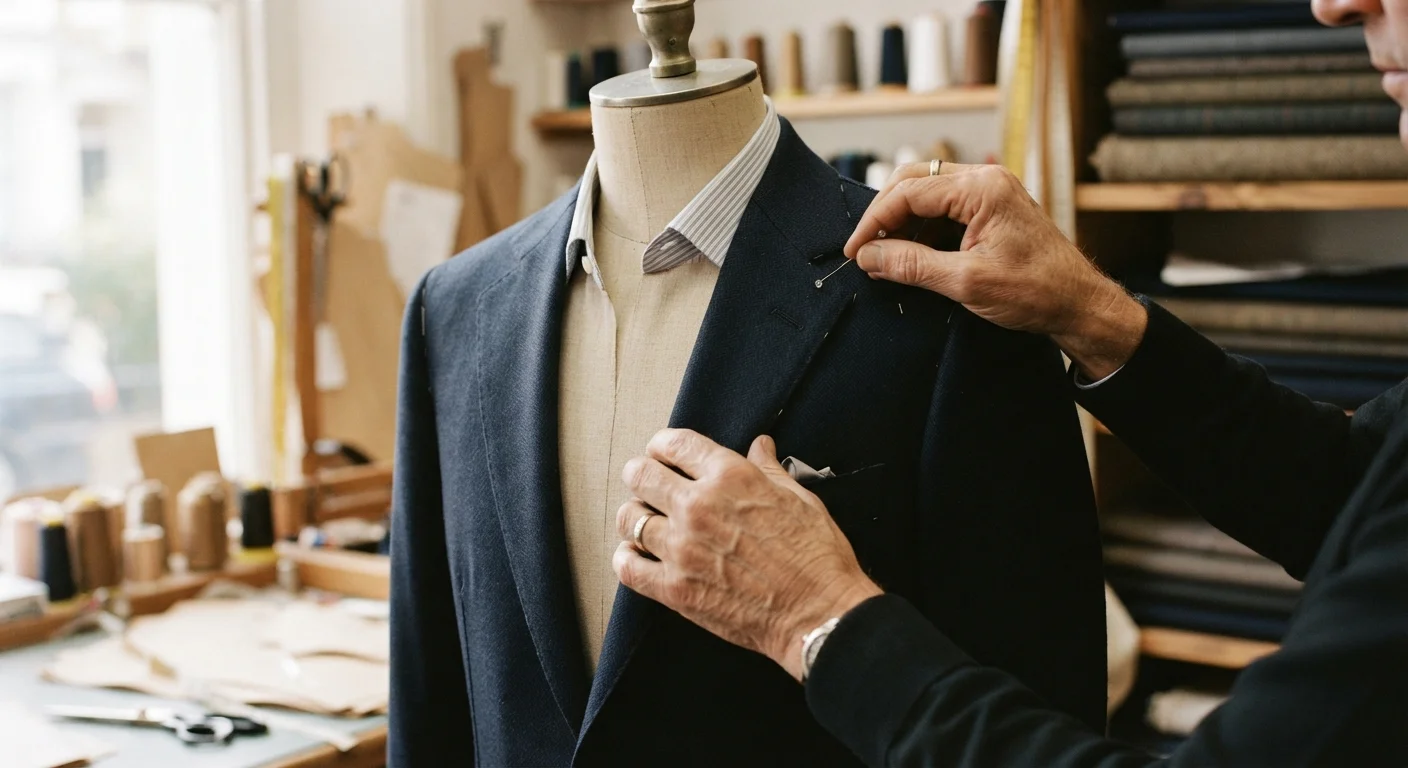
Tailoring is the process of altering a garment so it fits a specific person's body more precisely. This can range from taking in a seam to shortening a hem. The goal is to improve how a piece of clothing sits, moves, and drapes on your unique frame — making it look intentional rather than accidental.
Alterations differ from bespoke tailoring: alterations adjust existing garments, while bespoke clothing is constructed from scratch to a person's exact measurements.
Why Off-the-Rack Clothes Almost Never Fit Perfectly
Mass-produced clothing is sized to fit a statistical average — not any actual person. Brands develop their sizing blocks based on generalized body measurements, which means even when you find your size on a tag, the garment might be too long in the torso, too wide at the hips, or too boxy in the shoulders. This isn't a reflection of your body; it's a reflection of how manufacturing works at scale.
That disconnect is why so many people stand in a dressing room feeling vaguely disappointed. The garment might be the right color, the right fabric, and the right general shape — but something feels just slightly off. Most of the time, that "something" is fit. Subtle fit and proportion issues are behind the majority of outfits that look good on a hanger but awkward on a person.
~68%
Americans who wear the wrong clothing size
A widely cited industry estimate suggests the majority of people regularly wear garments that don't fit their body optimally, often due to vanity sizing and inconsistent brand sizing standards.
$10–$30
Typical cost of a basic hem alteration
Alteration pricing varies by region and garment type, but simple hems and seam adjustments are among the most affordable tailoring services available at most local shops.
What Good Fit Actually Looks Like
Fit isn't just about whether a garment is loose or tight — it's about how fabric behaves on your body. A well-fitted garment lies flat without pulling, bunching, or gaping. Shoulders sit precisely at the edge of the shoulder joint. Trouser breaks (the fold of fabric near the shoe) fall at a flattering and intentional length. Shirt sleeves reach the wrist without covering the hand.
Good fit also means freedom of movement. If you can't comfortably raise your arms in a jacket, that's a fit issue. If your pants gap at the waistband while fitting perfectly everywhere else, that's a common alteration a tailor can fix in minutes. Understanding what "right" looks like makes it much easier to spot what "off" looks like — and whether it's fixable. This connects directly to how body-shape dressing advice works best in practice.
Start With the Shoulders
When trying on any structured garment — blazers, coats, dress shirts — check the shoulder seam first. It should sit right at the edge of your shoulder without drooping. Shoulder alterations are among the most expensive and complex, so if they don't fit there, the item may not be worth pursuing. Everything else — sleeves, hems, waist — is comparatively easy to fix.
The Alterations Worth Knowing About
Not every alteration is created equal in terms of ease or cost. Here's a breakdown of what's practical for most everyday wardrobes:
- Hemming pants or skirts: One of the most common and affordable alterations. Most tailors can turn this around quickly.
- Taking in or letting out side seams: Great for adjusting the waist or hips of trousers, skirts, or dresses. Letting out requires existing seam allowance — check before assuming it's possible.
- Tapering sleeves or trouser legs: Slimming a silhouette without replacing the garment entirely.
- Shortening jacket or coat sleeves: Complexity and cost vary depending on whether the sleeve has a working buttonhole (surgeon's cuff), which is more involved.
- Reshaping shoulders: This is a structural alteration that can be expensive. It's generally only worthwhile on a high-quality, long-lasting piece.
Knowing the limits of alteration also matters. Small finishing details — like hem length and sleeve proportion — have an outsized impact on how polished an outfit reads.
When to Alter, When to Skip, and How to Decide
A useful question to ask before taking anything to a tailor: how much wear will I realistically get from this garment if it fits perfectly? A well-made coat you'll wear for years is a strong candidate for investment alterations. A trendy piece you're unsure about may not be.
Consider the cost-to-value ratio honestly. Alterations should extend a garment's useful life in your wardrobe — not just rescue something you were never fully committed to. It also pays to check the fabric before committing to alterations; certain materials behave differently under the needle. Understanding what's in your clothes can help — reading fabric content labels is a practical skill that informs both care and alteration decisions.
When shopping online, factoring in alteration potential before purchasing can reduce regret significantly. Knowing what to check before committing to an online purchase helps you buy smarter from the start. And once you have clothes that fit well, proper care habits ensure they stay that way.
Alterations Are Not One-Size-Fits-All
The ease and cost of an alteration depend heavily on the garment's construction, fabric, and the tailor's skill level. Heavily lined coats, embellished pieces, and garments with complex seaming require more work and may cost significantly more than simple alterations on unlined clothing. Always request a quote before committing.