

Key Takeaways
The Cascade Effect: How Small Problems Multiply
A faint squeal from your brakes. A slow coolant level drop. A wiper blade that smears more than it clears. These warning signs are easy to rationalize away - until the bill arrives. The reality of deferred vehicle maintenance is that mechanical problems rarely stay contained. They compound, pulling neighboring systems into failure alongside them.
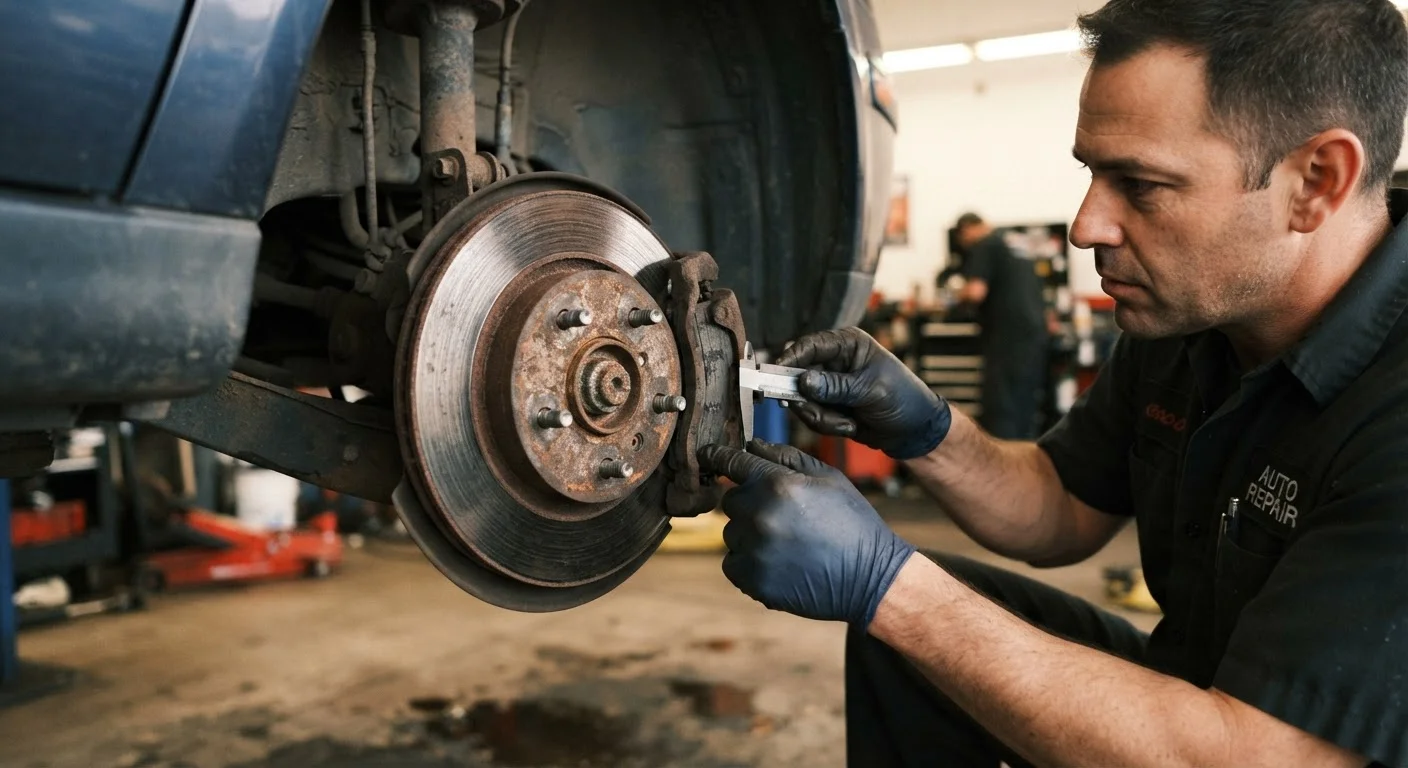
Consider brake pads: a standard pad replacement typically costs a fraction of what resurfacing or replacing rotors runs. Yet many drivers delay the pad swap until metal grinds against metal, damaging the rotor and, in some cases, the caliper. What started as a modest repair becomes a significantly larger one. This pattern - small neglect triggering bigger failure - repeats across virtually every vehicle system. As explored in our analysis of deferred maintenance costs, the math rarely favors waiting.
~$1,200
Average cost of a neglected brake job (pads + rotors)
Industry repair estimates consistently show that replacing both pads and rotors costs several times more than replacing pads alone at the appropriate service interval.
1 in 4
Vehicles found with underinflated tires on U.S. roads
The National Highway Traffic Safety Administration has reported that roughly one-quarter of passenger vehicles on U.S. roads are driven with at least one significantly underinflated tire.
Common Mistakes Drivers Make - and How to Avoid Them
Most deferred maintenance isn't intentional negligence. It stems from misreading warning signs, misunderstanding urgency, or simply not knowing what to watch for. The mistakes below are among the most common - and most costly.
Ignoring brake noise and assuming it will go away on its own.
Why it happens: Intermittent squealing sometimes stops after wet weather, leading drivers to dismiss it as a fluke rather than a wear indicator.
Topping off low coolant without investigating the underlying cause.
Why it happens: Adding coolant feels like a fix, and the immediate symptom disappears. Drivers often don't realize that a cooling system should be a closed loop - persistent loss points to a leak or a failing head gasket.
Delaying an oil change past the recommended interval.
Why it happens: Modern cars no longer show obvious symptoms of slightly degraded oil, so the urgency feels low. Some drivers also confuse the old 3,000-mile rule with their vehicle's actual manufacturer interval, which is often much longer.
Driving on underinflated tires without correcting the pressure.
Why it happens: Tires lose air gradually, and a tire that's 8-10 PSI low may still look visually normal to the untrained eye. Drivers often notice the handling change but attribute it to road conditions.
Ignoring a check engine light when the car still seems to drive normally.
Why it happens: Because the vehicle appears to function fine, drivers assume the light is a sensor glitch or an emissions-related issue that isn't urgent. Some codes are minor, but others signal problems actively causing damage.
For a deeper look at which services get overlooked most often, see our guide to routine maintenance tasks that are often overlooked.
Building a Maintenance Mindset That Protects Your Wallet
The most reliable way to avoid large repair bills is to treat maintenance as an ongoing habit rather than a reactive chore. Keep your owner's manual accessible and follow the manufacturer's service intervals - these schedules exist because engineers tested the limits of each component. A simple maintenance log, whether a notebook in the glove box or a free phone app, helps you track what's been done and flag what's coming due.
Don't Diagnose by Feel Alone
Driving behavior - rough idling, pulling to one side, unusual vibrations - can indicate serious underlying issues even when a warning light hasn't illuminated. Relying solely on how the car feels to gauge its health is unreliable. When something seems off, a professional inspection is always the safer call.
If you're weighing whether to handle a repair yourself or bring your vehicle to a professional, our DIY vs. shop guide walks through the real trade-offs. And when repairs start adding up on an older vehicle, it's worth consulting our piece on when to repair versus replace before committing to a large fix. Either way, staying proactive keeps your options - and your budget - in better shape.