

Key Takeaways
Option A
Comprehensive Coverage
The coverage for damage you didn't cause by driving.
Best for: Drivers who want protection from theft, weather events, and other non-collision hazards.
Option B
Collision Coverage
The coverage for damage from impact - regardless of fault.
Best for: Drivers who want their insurer to pay for vehicle repairs after an accident, whether they caused it or not.
If you have a financed or leased vehicle
Both Comprehensive and Collision Coverage
Most lenders and leasing companies contractually require both coverages for the duration of the loan or lease - you generally have no choice.
If you live in an area prone to severe weather, flooding, or high vehicle theft rates
Comprehensive Coverage
Comprehensive is the only coverage that responds to weather events and theft. Without it, those losses come entirely out of pocket.
If you frequently drive in dense traffic or challenging road conditions
Collision Coverage
Higher driving frequency and complexity increase the statistical likelihood of an at-fault accident, making collision coverage more valuable.
If your vehicle's market value is very low relative to your deductible plus annual premium
Neither (liability-only policy may be sufficient)
When the maximum insurer payout would barely exceed what you pay annually, dropping one or both physical-damage coverages is a common financial consideration - consult a licensed insurance agent to evaluate your situation.
What Each Coverage Actually Pays For
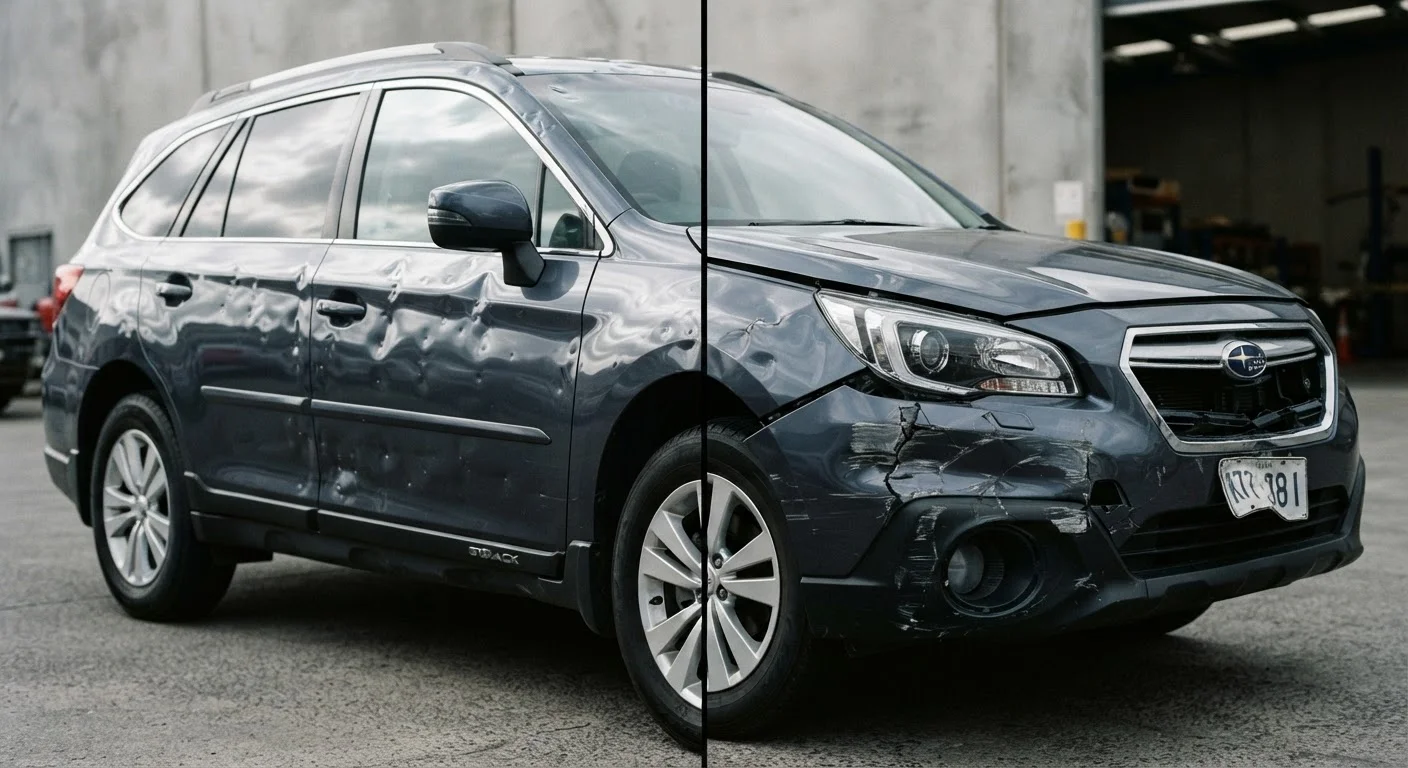
The names are almost interchangeable in casual conversation, but comprehensive and collision cover entirely different categories of vehicle damage. Getting them confused can leave you surprised - and potentially unprotected - when a claim arises.
Comprehensive coverage responds to damage caused by events outside normal driving. Common covered perils include theft, vandalism, hail, flooding, fire, falling trees or debris, and collisions with animals (such as hitting a deer). In insurance terminology, these are often called "Acts of God" or "other than collision" events.
Collision coverage responds when your vehicle makes physical contact with something - another car, a guardrail, a telephone pole, or even an unoccupied parking-lot barrier. It applies regardless of who is at fault. If you rear-end another driver or roll into a ditch, collision is the coverage that pays to repair or replace your vehicle, minus your deductible.
Understanding this boundary matters because many situations that feel like "accidents" may actually fall under comprehensive. A tree branch falls on your parked car during a storm? Comprehensive. You swerve to avoid a deer and hit a tree? That's typically collision - the initial animal contact triggers comprehensive only if your vehicle actually strikes the animal.
| Criterion | Comprehensive Coverage | Collision Coverage |
|---|---|---|
| What triggers it | Non-collision events (theft, weather, animals, fire) | Impact with another vehicle or object |
| Fault requirement | Not applicable - event-based | Pays regardless of fault |
| Typical relative premium | Generally lower | Generally higher |
| Separate deductible | Yes | Yes |
| Required by lenders/lessors | Yes | Yes |
| Covers vehicle theft | Yes | No |
| Covers hitting a deer | Yes | No (unless you also hit another object) |
| Covers at-fault accident damage to your car | No | Yes |
Deductibles, Premiums, and How the Math Works
Each coverage carries its own deductible - the amount you pay before your insurer covers the rest. Common deductible options range from $250 to $1,500 or more. Choosing a higher deductible lowers your premium, but increases your out-of-pocket cost when you file a claim. These are separate choices, so your comprehensive deductible and collision deductible can differ.
~6%
Average share of insured vehicles filing a collision claim annually
According to the Insurance Research Council, collision claims are filed more frequently than comprehensive claims in most years.
$3,750+
Average paid collision claim
The Insurance Information Institute reports average collision claim payments have risen alongside increasing vehicle repair costs and parts complexity.
1 in 88
Odds of a vehicle theft claim in a given year
The National Highway Traffic Safety Administration tracks vehicle theft rates, which vary significantly by region and vehicle type.
Collision coverage generally costs more than comprehensive because it responds to a broader, more frequent category of events - traffic incidents happen more often than catastrophic weather or theft. Your specific premium depends on your vehicle's value, your driving record, your location, and the deductible levels you select.
Insurance is a core component of the total cost of owning a vehicle. For a fuller picture of every expense involved - from financing decisions to maintenance - see the Car Ownership Costs: A Complete Financial Guide. And if you're weighing whether to finance, lease, or pay cash (which directly affects whether both coverages become mandatory), Financing vs. Leasing vs. Paying Cash lays out those trade-offs clearly.
When Lenders Remove the Decision From Your Hands
If you are financing or leasing your vehicle, the coverage question is largely settled for you. Lenders and leasing companies hold a financial interest in the car and almost universally require both comprehensive and collision coverage - sometimes called full coverage - until the loan is paid off or the lease ends.
What 'Full Coverage' Actually Means
The term 'full coverage' has no standardized legal definition in auto insurance. In common usage, it typically refers to a policy that includes liability, comprehensive, and collision - the three major components. However, it does not mean every possible loss is covered. Gap coverage, rental reimbursement, and uninsured motorist protection are separate add-ons. When a lender requires 'full coverage,' ask for the specific coverages and minimum limits in writing.
This requirement exists because the lender's collateral (your car) must be protected against loss. If you drop physical-damage coverage during a loan and your vehicle is totaled in a hail storm, neither you nor the lender receives compensation from the insurer - and you'd still owe the remaining loan balance. The same logic that distinguishes secured from unsecured debt applies here: when an asset backs the loan, the creditor has direct stakes in preserving that asset's value.
Once your loan is satisfied or your lease ends, the decision returns to you. Many owners drop collision, comprehensive, or both on older vehicles where the potential insurance payout no longer justifies the ongoing premium.
This article is for general informational purposes only and does not constitute personalized insurance, financial, or legal advice. Coverage availability, terms, and requirements vary by insurer, policy, and state. Always review your actual policy documents and consult a licensed insurance agent or adviser before making coverage decisions.