

Key Takeaways
Skin Barrier
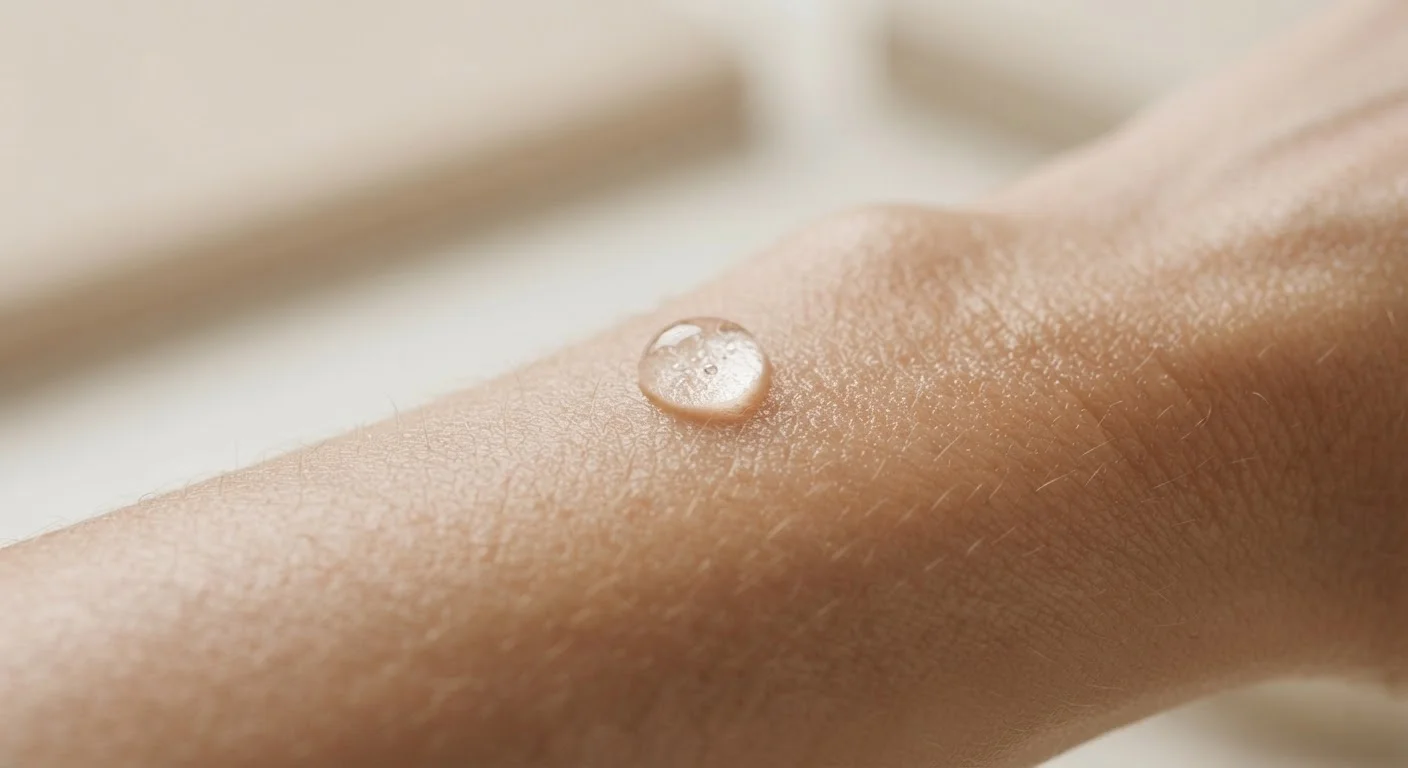
The skin barrier — technically called the stratum corneum — is the outermost layer of your skin. Think of it as a protective wall made of flattened skin cells held together by lipids (fats) like ceramides, cholesterol, and fatty acids. Its job is to keep water inside your skin while blocking irritants, allergens, and microorganisms from getting in. When it works well, skin looks and feels balanced; when it's compromised, you'll often notice dryness, redness, or sensitivity.
The 'brick and mortar' model is a common way scientists describe the barrier: skin cells (corneocytes) are the bricks, and the lipid matrix surrounding them is the mortar that holds everything together.
What the Skin Barrier Actually Does
Your skin is doing a lot of invisible work every single day, and the barrier is the engine behind most of it. The stratum corneum acts as a two-way gatekeeper: it slows transepidermal water loss (TEWL) — the process by which water evaporates out of your skin — while simultaneously preventing external aggressors like pollution, bacteria, and allergens from penetrating deeper layers.
When this system is intact, skin tends to feel comfortable, look even, and respond predictably to products. When the barrier is weakened, water escapes more quickly and irritants get in more easily, which is why a disrupted barrier often shows up as simultaneous dryness and sensitivity — a frustrating combination.
Understanding this helps decode a lot of confusing skin behavior. If your skin suddenly stings when you apply a serum it used to tolerate fine, or if it feels tight no matter how much moisturizer you use, your barrier is likely what's struggling — not the products themselves.
The Barrier Isn't Just One Thing
While the stratum corneum is the primary physical barrier, skin scientists also recognize a chemical barrier (the skin's natural slightly acidic pH, around 4.5–5.5) and an immune barrier (specialized cells that trigger inflammatory responses). All three work together. This is why maintaining a balanced skin pH — which many gentle cleansers are formulated to support — matters beyond just avoiding dryness. Products with an extremely high or low pH can disrupt this chemical layer even if they don't feel harsh.
What Damages the Skin Barrier
Barrier disruption is remarkably common, and many everyday habits contribute to it without people realizing. The most frequent culprits include:
- Over-cleansing or harsh cleansers: Surfactants that strip too aggressively remove the lipids that make up the barrier's "mortar." Hot water accelerates this. See our article on face-washing habits that help and hurt for a closer look.
- UV exposure: Ultraviolet radiation degrades lipids and proteins in the outer skin layer over time — one reason daily sunscreen use is considered foundational by dermatologists.
- Overuse of active ingredients: Exfoliating acids (like AHAs and BHAs) and retinoids are effective tools, but using them too frequently or in too-high concentrations can thin and irritate the barrier rather than improve it.
- Environmental factors: Low humidity, cold air, and wind all accelerate moisture loss, making the barrier work harder to maintain hydration.
- Stress and sleep deprivation: Both are associated with increased skin sensitivity and slower barrier recovery in research, likely through their effects on inflammation pathways.
Your skin type also matters here — drier skin types naturally have a thinner lipid layer and may be more vulnerable to disruption, while oilier skin tends to have more built-in lipid protection.
Simplify Before You Add
If your skin is reacting to everything or feels persistently irritated, consider stripping your routine back to just a gentle cleanser and a fragrance-free moisturizer for one to two weeks. This 'reset' approach helps identify whether a product is aggravating your barrier and gives skin a chance to stabilize before you reintroduce actives or new formulas.
What Supports a Healthy Barrier
The good news: barrier support doesn't require a complicated or expensive routine. A few consistent, well-chosen habits go a long way.
Gentle cleansing is the starting point. A mild, low-pH cleanser that removes buildup without stripping is more protective than a foaming formula that leaves skin squeaky-clean — that squeaky feeling is often a sign lipids have been removed.
Moisturizing with barrier-relevant ingredients makes a meaningful difference. Look for formulas containing ceramides, fatty acids, cholesterol, glycerin, or hyaluronic acid — these either replenish lipid components or help the skin hold onto water. Applying moisturizer while skin is still slightly damp can improve absorption.
Sun protection addresses one of the most consistent sources of daily barrier stress. Understanding SPF and broad-spectrum labels helps you choose a formula that provides genuine protection rather than a false sense of security.
Moderating active ingredient use gives the barrier time to recover between treatments. If you're new to exfoliating acids or retinoids, starting slowly and watching how your skin responds is a sensible approach.
For a deeper look at how skin biology shapes routine decisions, our explainer on the science behind your skin type is worth reading alongside this one.
~50%
Lipid composition of the skin barrier
Research published in dermatology literature indicates ceramides alone make up roughly 50% of the lipid content in the stratum corneum, underscoring why ceramide-containing moisturizers are frequently studied for barrier support.
4.5–5.5
Healthy skin surface pH range
Studies in dermatology journals consistently identify this mildly acidic range as optimal for barrier enzyme function and microbiome balance — a key reason pH-balanced cleansers are widely recommended.
2–4 weeks
Typical skin cell turnover cycle
The outer skin layer renews itself roughly every two to four weeks in most adults, which is why changes to a skincare routine often take at least that long to show noticeable results.
This article is for general informational and educational purposes only and is not a substitute for professional medical or dermatological advice. If you have persistent skin concerns, consult a qualified dermatologist.