

Key Takeaways
Why Lane Changes Go Wrong More Often Than Drivers Expect
Lane changes feel like one of the most automatic parts of driving - something experienced after years behind the wheel tends to feel instinctive. But that familiarity is part of the problem. The Federal Highway Administration has identified improper lane changes as a contributing factor in a significant share of highway crashes each year. Routine maneuvers, performed with less attention than they deserve, carry genuine risk.
The errors aren't random. They cluster around a handful of predictable habits: incomplete mirror use, poor timing, and a failure to adapt to conditions. Understanding where these patterns emerge - and why they persist - is the first step toward correcting them. Many of these habits were never formally taught, even to licensed drivers.
~33%
Highway crashes involving lane changes
The National Highway Traffic Safety Administration has reported that lane-change and merge errors are among the most common pre-crash events in multi-vehicle highway incidents.
2 sec
Minimum signal time before changing lanes
Traffic safety guidelines generally recommend signaling at least two to three seconds before initiating a lane change - many drivers signal simultaneously with or after moving.
The Most Common Lane-Change Mistakes - and How to Fix Them
The following errors appear consistently across crash reports, driving research, and road safety analysis. Each one is correctable with deliberate practice.
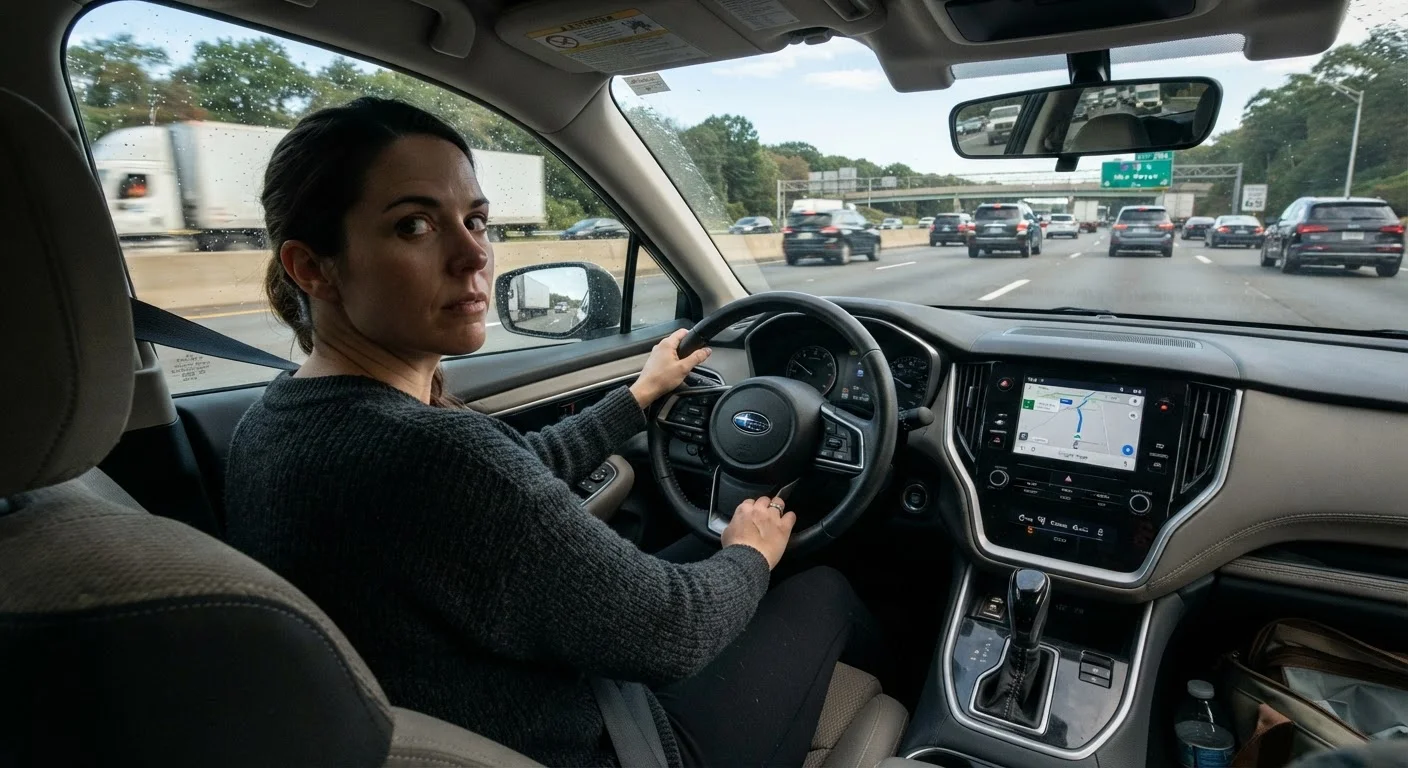
Relying solely on mirrors and skipping the physical blind spot check.
Why it happens: Drivers assume their side and rearview mirrors cover all angles. In reality, every passenger vehicle has blind spot zones - areas adjacent to the rear quarter panels - that mirrors simply cannot capture.
Signaling too late - or not at all - before moving into another lane.
Why it happens: Many drivers treat the turn signal as a notification that they are already moving, rather than a request for space. Rushing, distraction, or ingrained habits formed early in driving life all contribute.
Merging at a speed that is significantly slower than surrounding traffic.
Why it happens: Drivers trying to be cautious sometimes slow down before changing lanes, believing lower speed equals lower risk. On highways and fast-moving roads, this has the opposite effect - it creates a speed differential that surprises drivers behind and alongside.
Cutting back in front of a passed vehicle too quickly after overtaking.
Why it happens: Drivers often move back into the right lane as soon as they clear the other vehicle's front bumper, not accounting for safe following distance or the effect of sudden braking.
Attempting multiple lane changes in rapid succession without reassessing conditions each time.
Why it happens: When traffic is heavy, some drivers weave across lanes looking for faster movement. Each individual change may seem minor, but chaining them together compounds risk significantly.
Failing to adjust lane-change behavior in adverse conditions - rain, night, or construction zones.
Why it happens: Drivers often apply the same habits regardless of conditions. Reduced visibility, wet pavement, and narrowed lanes each change the geometry and timing of a safe lane change.
Multi-Lane Weaving Is Not Just Risky - It's Illegal
Rapidly changing multiple lanes without adequate spacing violates traffic laws in most U.S. states and is classified as unsafe lane changes or reckless driving depending on the circumstances. Beyond legal consequences, the practice dramatically reduces the time other drivers have to react. If you're in congested traffic and feel the urge to weave, allow extra following distance in your current lane instead.
Building Better Habits Before the Next Lane Change
Correcting lane-change errors doesn't require driving lessons from scratch. It requires slowing the mental process down enough to run through a consistent sequence every time: mirrors, blind spot, signal, clearance check, smooth move. Practiced deliberately, this sequence becomes just as automatic as the bad habits it replaces.
Drivers who struggle with highway merging in particular may benefit from reviewing the differences in environment and speed. Highway and city driving call for distinctly different skills, and lane changes sit at the center of those differences. Similarly, conditions like wet roads amplify the consequences of every error - understanding how rain affects stopping distances and vehicle behavior directly supports safer lane changes in poor weather.
Mirrors Alone Are Never Enough
No mirror configuration - including wide-angle or blind spot mirrors - eliminates the vehicle's blind zones entirely. A physical head turn over the appropriate shoulder before every lane change remains the single most effective check available to any driver. Blind spot monitoring systems found on many newer vehicles are driver-assistance tools, not replacements for this fundamental habit.
This article is for general informational purposes only. Always follow applicable traffic laws in your state and exercise independent judgment when making driving decisions.