

| Most commonly misread dress code | Business Casual |
| Dress codes in common use | Casual, Smart Casual, Business Casual, Business Formal, Cocktail, Black Tie |
| Most versatile wardrobe anchor | A neutral, well-fitting blazer |
| When to ask the host | Any time an invitation's dress code is ambiguous |
| Key differentiator between codes | Footwear and fabric formality |
Why Dress Codes Still Matter
Dress codes aren't about gatekeeping — they're a shorthand that helps everyone feel comfortable and appropriate in the same space. Whether you're walking into a job interview, a backyard wedding, or a company holiday party, understanding the unwritten rules saves you from that familiar panic of staring at your closet and having no idea what to reach for.
The tricky part? Dress code labels have shifted dramatically over the past few decades, and what "business casual" means at a law firm in Chicago can look very different from what it means at a tech startup in Austin. This guide gives you a grounded, practical translation for each major code — and helps you build a wardrobe that handles all of them with confidence. For a deeper foundation, check out how a capsule wardrobe covers every occasion.
| Most commonly misread dress code | Business Casual |
| Dress codes in common use | Casual, Smart Casual, Business Casual, Business Formal, Cocktail, Black Tie |
| Most versatile wardrobe anchor | A neutral, well-fitting blazer |
| When to ask the host | Any time an invitation's dress code is ambiguous |
| Key differentiator between codes | Footwear and fabric formality |
The Main Dress Codes, Decoded
Casual
Casual means relaxed, but not sloppy. Think clean, well-fitting jeans or chinos, simple tees or casual button-downs, and clean sneakers or loafers. Athleisure — leggings and hoodies — skews more toward "loungewear" than true casual in social settings, so use context as your guide.
Smart Casual
Smart casual sits a notch above everyday relaxed dressing. It pairs more polished pieces — a blazer, tailored trousers, a neat midi dress — with approachable elements like loafers or clean white sneakers. Think "I tried, but I'm not overdressed." This is the code most commonly found on dinner reservations and casual evening events.
Business Casual
Business casual is perhaps the most misread code of all. The baseline: no jeans, no sneakers (unless very sleek), no athletic wear. Think chinos or dress trousers, blouses, button-down shirts, blazers, and leather-style footwear. Many workplaces now allow neat, dark-wash jeans — always read the room and the company culture.
Casual
An everyday dress standard that prioritizes comfort and personal expression. Clean, well-fitting clothing is expected; athletic or loungewear may not be appropriate depending on context.
Smart Casual
A polished-yet-relaxed standard that blends elevated basics (blazers, neat trousers, tailored dresses) with approachable footwear and styling. More intentional than casual, less structured than business casual.
Business Casual
A professional standard that typically excludes jeans, sneakers, and athletic wear in favor of dress trousers, chinos, blouses, and blazers. Exact interpretation varies by industry and workplace culture.
Cocktail Attire
A semi-formal standard for evening events. Knee-to-midi dresses, tailored suits, and polished footwear are typical. Considered one level below black tie.
Black Tie
The most formal widely-used dress code, calling for floor-length formal wear or tuxedos. 'Black tie optional' allows for very dressy cocktail alternatives while still leaning formal.
Dress Separates
Coordinating top and bottom pieces — such as a tailored blouse with matching wide-leg trousers — that together achieve a formal or semi-formal look without being a one-piece dress or suit.
Business Formal / Professional
Suits, tailored separates, and polished footwear. For those who don't own a suit, a well-fitting blazer paired with pressed trousers and a dress shirt goes a long way. See our guide on putting together a professional look without a suit for practical alternatives.
Cocktail Attire
A knee-to-midi length dress or a polished skirt-and-blouse combination works well here. For those who wear suits, a dark suit with a tie is appropriate. Think elevated and intentional — this is a step below black tie.
Black Tie
The most formal widely-used code: floor-length gowns or formal separates, tuxedos or dark formal suits. When an invitation says "black tie optional," a very dressy cocktail outfit is acceptable, but lean toward the formal end.
Building a Versatile Wardrobe Around These Codes
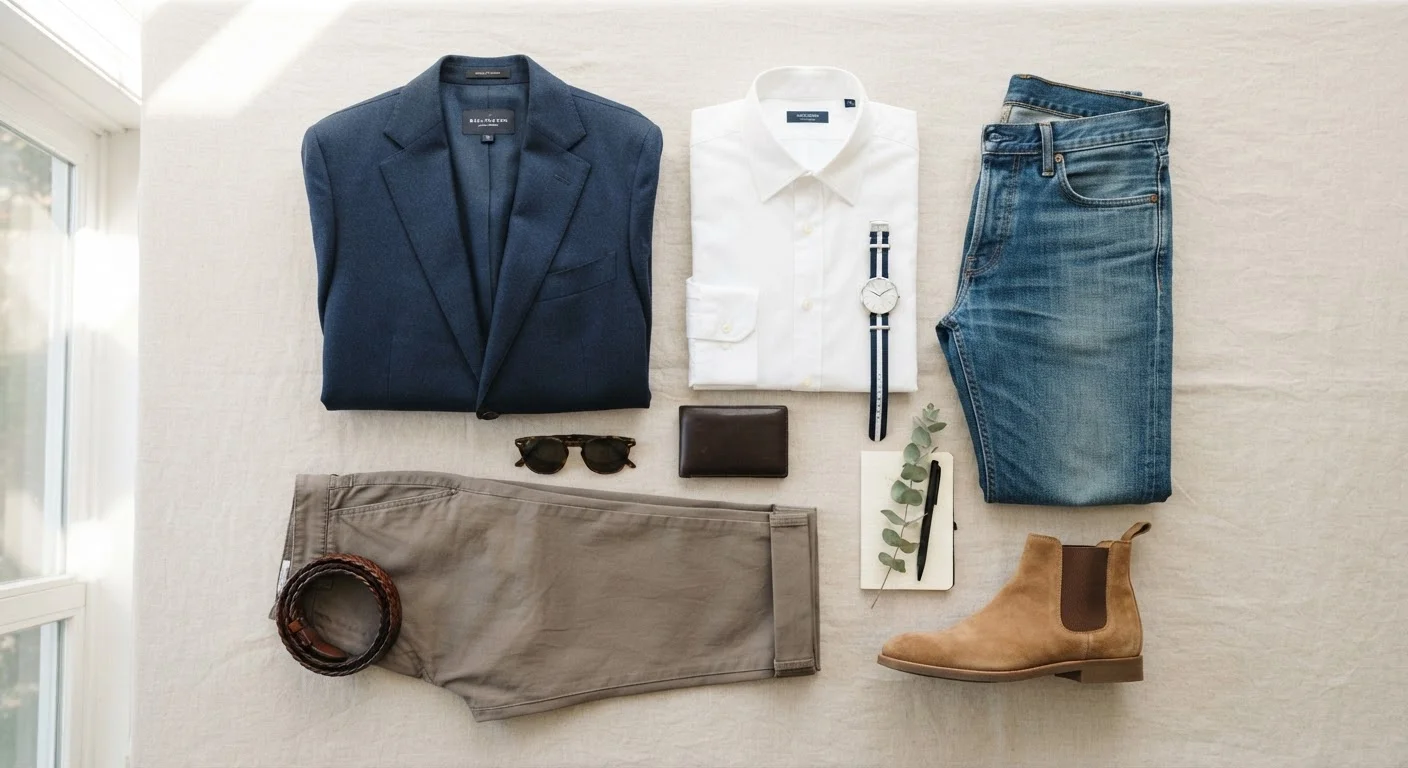
You don't need a different wardrobe for every occasion — you need smart, flexible pieces that can be styled up or down. A neutral-toned blazer, a crisp white or black button-down, well-fitting trousers, and one or two elevated dresses can carry you from business casual to cocktail attire with minor adjustments in accessories and footwear. Understanding how neutrals work together is one of the most practical style skills you can develop for exactly this reason.
When shopping for pieces that need to cover multiple dress codes, pay close attention to fit and fabric. A well-cut blazer in a medium-weight fabric reads professional in the office and sharp at a dinner. Slouchy or heavily distressed versions of the same silhouette read casual regardless of color. If you're shopping online, check sizing charts and return policies carefully before committing to investment pieces.
Finally, when in doubt about a specific event, it's always appropriate to ask the host or check the venue's typical vibe. Dressing with care signals respect — and that never goes out of style.