

Key Takeaways
Why Paperwork Is Part of Responsible Ownership
Most drivers think of car ownership in mechanical terms - oil changes, tire rotations, brake jobs. But there's an administrative side to owning a vehicle that's just as important, and far easier to neglect. Keeping organized records is one of the simplest habits you can build, yet it pays dividends across the entire life of the car.
Whether you're filing a warranty claim, negotiating a private sale, or handing a vehicle over to a new mechanic, documentation tells the story your car can't tell on its own. A tidy folder of receipts and reports signals that you've cared for the vehicle - and in many situations, that perception translates directly into money.
For a broader look at the financial realities of car ownership, see our annual car ownership financial checklist - a useful companion to the habits covered here.
The Records That Matter Most
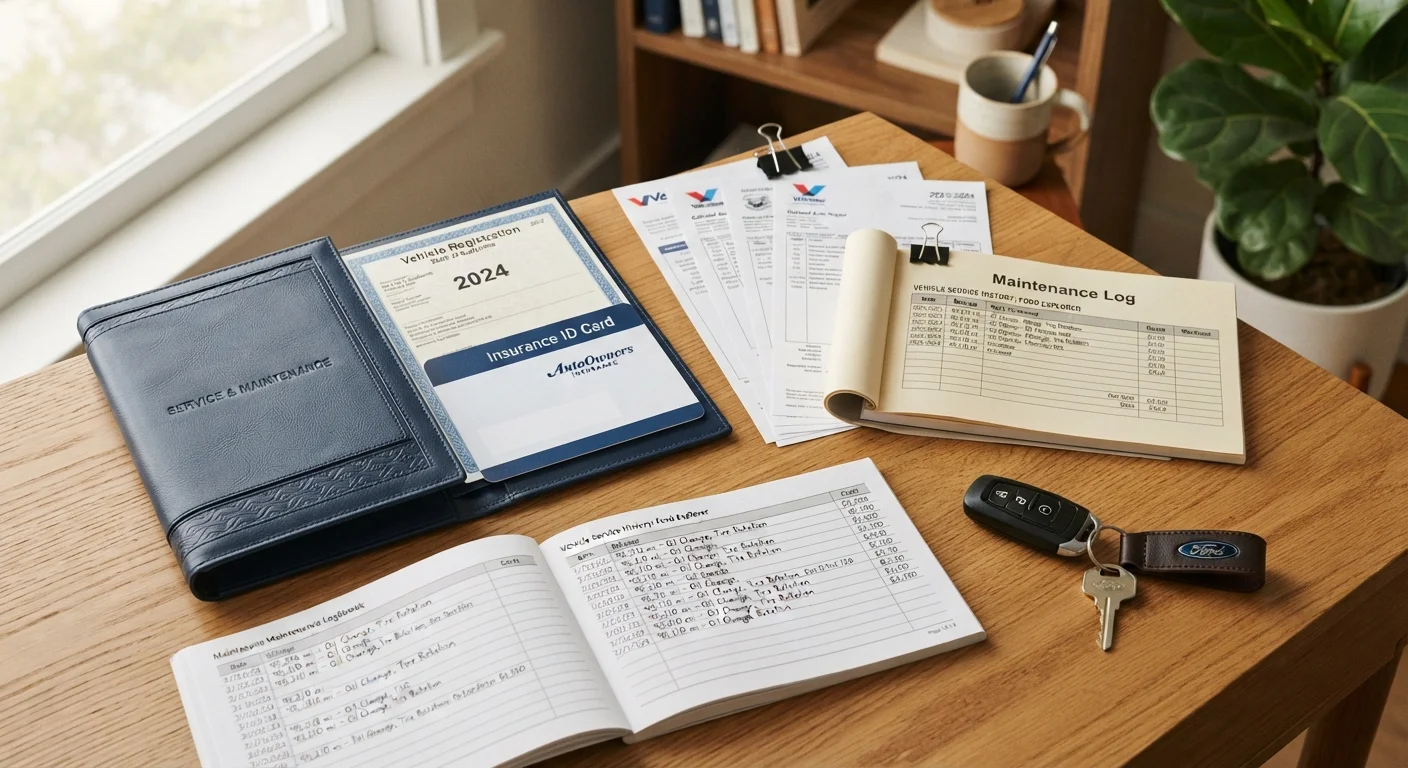
Not every piece of paper your vehicle generates is worth keeping forever, but certain documents have lasting value. Here's what to prioritize:
- Title and registration: The title proves legal ownership. Keep it in a secure location - not in the glove compartment. Registration should be accessible in the vehicle but renewed copies stored at home.
- Maintenance receipts: Oil changes, fluid services, filter replacements, and any dealer or shop invoices. These form the core of your service history. Learn more about why maintaining a service log pays off.
- Repair records: Any documented repair - large or small - adds transparency. Buyers and mechanics both benefit from knowing what has been replaced and when.
- Recall and warranty paperwork: Save documentation of completed recall work and copies of any extended warranty contracts.
- Inspection and emissions reports: Many states require periodic safety or emissions inspections. These reports serve as independent third-party snapshots of the vehicle's condition at a point in time.
- Insurance declarations pages: Keep at least the current and one prior policy period on file. They document coverage history and can be useful in disputes.
Best Practices for Tracking and Storing Records
Collecting records is only useful if you can find them when you need them. These practices keep your documentation organized and durable over time.
For context on what service milestones to document in the first place, our guide to understanding your car's maintenance schedule explains what each interval involves. And if you're planning to hold onto a vehicle for the long haul, consider the full picture in our piece on keeping a car long-term.
Records at Resale: What Buyers Actually Care About
When a private buyer or dealership evaluates your vehicle, documentation is one of the most credible signals of how well the car was maintained. A vehicle with a complete service history is easier to price confidently and harder to lowball. Gaps in the record, on the other hand, invite skepticism - even if the car is in excellent mechanical shape.
Your vehicle's odometer reading and VIN (Vehicle Identification Number) anchor every record to a specific car. Receipts that don't match the VIN on file, or mileage figures that don't add up, can raise red flags during a sale. Our article on odometer and VIN basics explains why these two numbers appear on virtually every document in your file.
Documentation also matters for often-overlooked services that buyers may ask about specifically - things like transmission fluid changes, coolant flushes, and timing belt replacements. Our guide to commonly overlooked maintenance tasks covers which services tend to go undocumented and why that can matter at resale.
This article is for general informational purposes only and does not constitute financial or legal advice. Consult a licensed professional for guidance specific to your situation.